Views: 0 Author: Site Editor Publish Time: 2026-09-29 Origin: Site
Picture this scenario. A severe winter storm knocks out the local grid, leaving your facility in the dark. Your production line grinds to a sudden halt. Every minute of downtime bleeds thousands of dollars from your bottom line. With aging infrastructure struggling against volatile weather patterns, grid failures are no longer a rare anomaly. They are a baseline expectation today. Are you genuinely prepared for the next blackout?
Selecting the right backup power system is a massive capital investment. The ongoing debate between natural gas and propane continues to frustrate many buyers. Both fuels offer excellent, clean-burning alternatives to traditional liquid fuels. Yet, their fundamental differences in delivery logistics, energy density, and long-term operating costs will ultimately dictate the success of your emergency preparedness plan.
As engineers who design and troubleshoot these systems daily, we look past the marketing brochures. We focus on fuel delivery reliability, combustion efficiency, and maintenance intervals. By understanding the unique mechanical strengths of each fuel, you can confidently engineer the perfect power solution for your specific site.
Before diving into detailed technical specifications and fluid dynamics, here is a quick-reference summary of the primary differences between these two popular fuel sources.
When evaluating a backup power system, you must understand that both types operate using highly similar internal combustion engines. Traditional diesel or gasoline engines rely on atomized liquid. Both natural gas and propane are entirely gaseous fuels. They mix seamlessly with air in a carburetor or an electronic fuel injector right before ignition occurs.
Although they both offer a clean-burning emissions profile, their chemical compositions and delivery methods dictate exactly how they are utilized in real-world engineering scenarios.
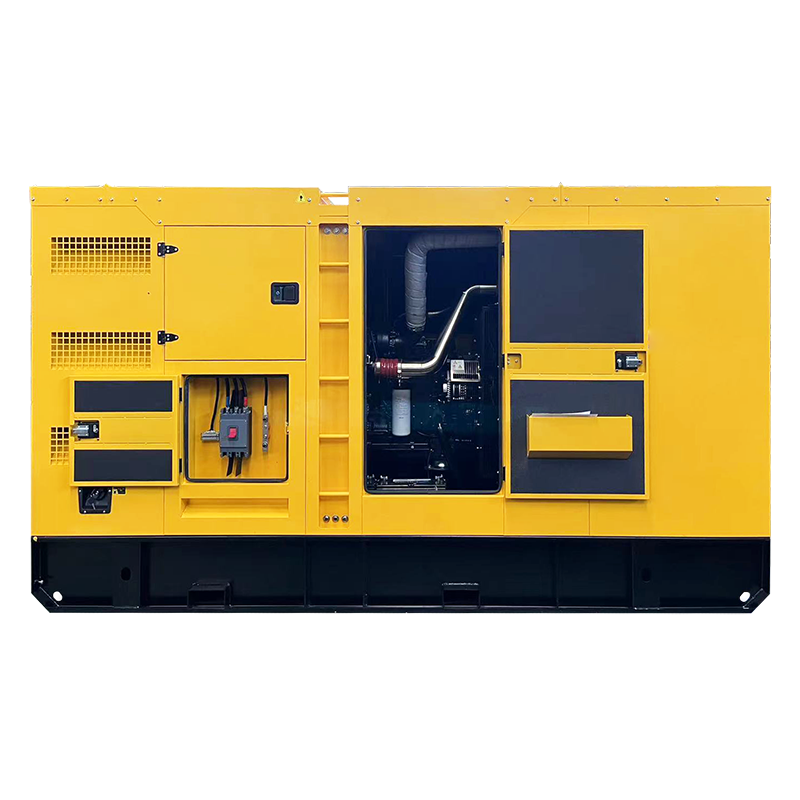
Natural gas is a naturally occurring fossil fuel composed primarily of methane. A dedicated natural gas standby unit connects directly to your home or commercial facility’s existing municipal utility line. Because it draws fuel from a centralized, underground grid, it acts as a true automated system.
Once professionally installed, the machine automatically senses a grid voltage drop. It turns itself on within seconds and runs continuously. You never need to check a fuel gauge, worry about rationing power, or frantically call a supplier for an emergency refill.
Propane is commonly known as Liquefied Petroleum Gas or LPG. It is a valuable byproduct of natural gas processing and petroleum refining. For power generation, it is highly compressed and stored in a pressurized liquid state inside dedicated heavy-duty steel tanks.
When the tank valve opens, the liquid propane depressurizes. It instantly vaporizes into a gas and feeds the engine manifold. Propane systems rely entirely on localized storage. This ranges from small portable cylinders used for remote job sites to massive underground tanks designed for heavy agricultural backup power.
The method by which your machine receives its fuel is arguably the most critical deciding factor. Your geographic location, local climate, and existing property infrastructure will heavily influence this engineering choice.
The primary advantage of natural gas is the sheer convenience of an endless, uninterrupted fuel supply. Picture a scenario where a hurricane wipes out regional power for weeks. A natural gas line keeps your facility operational without a single phone call to a local fuel supplier. As long as the municipal utility remains operational, your power remains highly secure.
However, there is a distinct geographical limitation. If you manage a remote mining operation, a rural farming community, or a newly developed industrial park without established municipal gas lines, natural gas is simply not a viable option. Storing natural gas in consumer-grade tanks is highly impractical due to the extreme pressures required to liquefy it.
Propane offers total, uncompromising off-grid independence. Because the fuel is stored directly on your property, you are completely insulated from municipal pipeline disruptions or utility grid rationing. This makes propane the go-to choice for rural estates and isolated facilities.
The trade-off lies in the logistics of active fuel management. Facility managers must proactively monitor tank levels and schedule deliveries. During a widespread regional disaster, delivery trucks are often delayed by blocked roads, fallen trees, or severe snowstorms. If your tank runs dry during a prolonged blackout, your engine will shut down until that refill truck finally arrives.
To make a truly objective comparison, we must dive into the fluid dynamics and energy density of each fuel. Energy is measured in British Thermal Units. This metric quantifies the amount of heat required to raise the temperature of one pound of water by one degree Fahrenheit.
When placed head-to-head, propane is significantly more energy-dense than natural gas.
This stark contrast means that one cubic foot of propane contains more than twice the potential combustion energy of one cubic foot of natural gas.
| Fuel Type | Chemical State | Energy Density per Cubic Foot | Relative Efficiency |
|---|---|---|---|
| Propane | Liquid vaporizing to gas | ~2,500 British Thermal Units | High |
| Natural Gas | Gas | ~1,040 British Thermal Units | Moderate |
Propane packs a much heavier punch. Consequently, an engine burns significantly less fuel volume to achieve the desired electrical output. If you operate a dual-fuel portable unit on propane, you will frequently notice a slightly higher maximum wattage output compared to running that exact same machine on natural gas.
This operational efficiency positively impacts engine wear and tear. Propane engines often run smoother under heavy electrical loads. They require a smaller volume of gas to maintain the necessary 3600 RPMs required for standard 60Hz power generation.
Capital expenditure is rarely a single, static number. To make a financially sound engineering decision, buyers must evaluate upfront equipment costs, localized installation expenses, and long-term operational fuel costs.
The power generation units themselves generally cost about the same. Many modern standby and portable models are sold as dual-fuel out of the box. The true financial divergence lies in the site preparation and installation process.
If your site already features a high-capacity natural gas meter, plumbing a new branch line to the generator pad might cost between a few hundred to a few thousand dollars. This depends heavily on the pipe distance and local permit fees. Conversely, if you do not have an existing meter, trenching and connecting to the city grid can escalate into tens of thousands of dollars.
Setting up a propane system requires purchasing or leasing a specialized pressure vessel. A large vessel can cost thousands of dollars to purchase outright, plus the cost of trenching the yard to lay the underground fuel line. Many local suppliers will happily lease the tank to you for a minimal annual fee, provided you sign an exclusive fuel delivery contract.
Propane takes the crown for raw energy efficiency. However, natural gas is almost always cheaper per unit to purchase. Municipal utility rates for natural gas are heavily regulated by state commissions and generally remain low and stable. Propane prices fluctuate wildly based on the global petroleum market, seasonal winter demand, and added delivery fees.
For long-term running costs during multi-day outages, natural gas is usually the more economical choice. The exceptionally low cost of the utility feed outweighs the higher efficiency of delivered propane. For industrial businesses planning massive infrastructure upgrades, investing in an industrial natural gas generator often yields the best long-term return on investment due to these stabilized utility rates.
True emergency preparedness requires a fuel source that is chemically stable, mechanically reliable, and capable of withstanding severe environmental stressors.
Traditional liquid fuels are notoriously unstable over time. For instance, a standard Baudouin diesel generator set provides exceptional raw torque for heavy industrial motor starts. However, stored diesel begins to degrade, oxidize, and form engine-clogging microbes within six months without aggressive chemical stabilizers and fuel polishing systems. Both natural gas and propane eliminate this major maintenance headache entirely.
Propane possesses an indefinite shelf life. It never goes bad, separates, or loses its combustibility. You can leave a filled tank sitting on your property for fifteen years, and it will fire up your engine perfectly on day one of an emergency. Natural gas does not require on-site storage at all. Shelf life is completely irrelevant as long as the utility company keeps the pressure flowing.
Ambient temperature plays a massive role in mechanical reliability. Natural gas pipelines are buried well beneath the frost line. The fuel supply remains safely insulated from extreme surface freezes and blizzards.
Propane faces a unique physical limitation in extreme cold. Liquid propane must boil and vaporize into a gas to feed the engine manifold. The boiling point of propane is negative 44 degrees Fahrenheit. If the ambient outside temperature drops near or below this point, the liquid remains stubbornly liquid. It refuses to vaporize, the tank pressure drops to zero, and the engine stalls out from fuel starvation. For facilities in extreme northern climates, outdoor tanks require specialized electric blankets or heating strips to maintain vaporization pressure during brutal winter vortexes.
As environmental regulations tighten globally, choosing a clean-burning fuel is increasingly important for emissions compliance and the internal longevity of your equipment.
Both fuels are widely recognized as clean-burning alternatives. This is especially true when contrasted with the heavy particulate matter, soot, and nitrogen oxides spewed by older liquid fuel engines.
Natural gas produces slightly fewer greenhouse gases per British Thermal Unit than propane. Methane itself is a potent greenhouse gas if it leaks unburned into the atmosphere. Propane is entirely non-toxic and is not classified as a greenhouse gas in its unburned state. If a tank accidentally leaks, the liquid simply vaporizes and dissipates into the air without contaminating the surrounding soil, water table, or local ecosystem.
Because both gases burn incredibly clean, they leave minimal carbon deposits inside the combustion chamber. You rarely see fouled spark plugs or sludgy valves. This clean operation significantly extends the mechanical lifespan of the engine block.
Routine maintenance for both systems is virtually identical and remarkably minimal. Technicians simply need to perform regular oil changes, replace air filters, inspect spark plugs, and check valve clearances according to the manufacturer manual. You completely bypass the clogged carburetors, fouled fuel injectors, and degraded fuel lines that constantly plague gasoline units.
Recent market data reveals a massive pivot in how commercial entities approach backup power. Facility managers are actively migrating away from traditional liquid fuel setups. Stricter environmental regulations and corporate sustainability mandates demand much cleaner emissions profiles. We see a soaring demand for continuous, grid-independent power across the manufacturing sector.
This urgent need drives the rapid adoption of robust high-voltage gas systems. These modern setups deliver uninterrupted megawatt-level power while strictly adhering to local emission codes. Furthermore, relying on underground utility feeds completely bypasses the logistical nightmare of scheduling constant fuel deliveries during severe regional disasters.
Ultimately, the engineering decision boils down to your specific infrastructure, geographic location, and peak power consumption requirements. Use these practical guidelines to make your choice.
Choose Natural Gas If:
Choose Propane If:
A highly common question among buyers is whether they are permanently locked into their initial fuel choice. The short answer is yes, you can switch fuel types after purchasing a single-fuel machine. The process involves specific mechanical alterations, strict safety considerations, and a solid understanding of fluid dynamics.
Because these fuels possess different energy densities and operate at vastly different pipeline pressures, an engine cannot seamlessly switch between the two without physical modifications.
To understand how a conversion works, you must first understand how these engines process gaseous fuels. The internal combustion engine relies on a highly precise mixture of fuel and oxygen to create optimal ignition.
Liquid propane vaporizes and is typically delivered to the carburetor at a pressure of about 10 to 11 inches of water column. Natural gas, supplied by municipal utility lines, is delivered at a much lower pressure. This is usually around 5 to 7 inches of water column.
Because natural gas has less energy per volume, the engine requires a larger physical volume of gas to achieve the same combustion power as propane. Converting a propane unit to natural gas requires enlarging the carburetor orifice, which is the opening that allows fuel into the engine, to accommodate the higher volume of lower-pressure gas. Converting natural gas to propane requires restricting that orifice. Without restriction, the engine would be flooded with high-pressure, energy-dense fuel. This causes it to run excessively rich, overheat, and potentially fail.
To eliminate the mechanical hassle and safety risks of manual conversions, manufacturers now produce dual-fuel models. These units come factory-equipped with a specialized selector dial. This dial adjusts the internal fuel pathways and pressure regulators automatically with a simple flip of a switch.
While conversion kits are common in the residential portable market, they are virtually nonexistent in heavy-duty industrial applications. When a manufacturing plant determines that municipal gas is their most viable fuel source, they do not adapt small units. They install dedicated, professionally engineered equipment to deliver continuous power safely, entirely bypassing the huge liabilities of aftermarket modifications.
Selecting the right power system requires careful thought. You must thoroughly assess your specific property infrastructure, budget, and power demands. Natural gas offers a limitless, hands-off supply from city utility lines, making it perfect for suburban homes and massive industrial complexes. Propane provides ultimate off-grid independence, higher energy output, and remains the undisputed champion for rural properties.
Stop leaving your facility uptime to chance. Evaluate your current utility setup and consult with a certified installation engineer to ensure local fire code compliance. Whether you need a massive continuous power plant or a reliable standby system, explore our full range of commercial backup power solutions to find the exact mechanical fit for your operational demands.
Generally, natural gas is cheaper per hour of runtime. Even though propane has a significantly higher energy density, the actual market cost of the fuel usually offsets this efficiency. Municipal natural gas utility rates are heavily regulated and priced lower per unit than delivered liquid propane. Furthermore, propane incurs additional logistical costs, including delivery fees, tank rental fees, and fluctuating seasonal market prices.
Both natural gas and propane engines share nearly identical lifespans. They typically range from 10,000 to 30,000 engine hours, depending on the manufacturer and maintenance schedule. The longevity of these systems is primarily due to the clean-burning nature of both gaseous fuels. Unlike liquid fuels, which leave heavy carbon deposits and sludge inside the engine block over time, natural gas and propane burn exceptionally clean. This drastically reduces internal engine wear.
Under normal operational circumstances, a natural gas system will never run out of fuel. Because the unit is hard-plumbed directly into your local municipal utility grid, the fuel supply is virtually infinite. However, it is technically possible to lose fuel supply during catastrophic regional events. Severe earthquakes, massive floods, or infrastructure failures can rupture underground pipelines. In such extreme emergencies, utility companies will intentionally shut off the gas supply to entire grids to prevent fires, rendering the unit inoperable.
No, the specific gaseous fuel being burned does not dictate the decibel level of the machine. The noise produced is determined by the mechanical design of the internal combustion engine, the operating RPM, the quality of the exhaust muffler system, and the acoustic insulation of the outer enclosure. A 20kW natural gas unit and a 20kW propane unit from the same manufacturer will produce the exact same noise level during operation.
Sizing a propane tank requires calculating your specific fuel consumption rate under load. As a general rule, a standard 20kW whole-house standby unit will consume approximately 2 to 3 gallons of liquid propane per hour when running at a 50 percent electrical load. According to safety regulations known as the 80 percent rule, propane tanks can only be filled to 80 percent capacity to allow for gas expansion. Therefore, a 250-gallon tank holds about 200 gallons of usable fuel, providing roughly 65 to 100 hours of runtime. For most residential setups, a 250-gallon or 500-gallon tank is the standard.
Most standard residential and light commercial natural gas generators require a dedicated fuel pressure between 5 to 7 inches of water column to operate correctly. If the pressure drops below this threshold, the engine will surge, misfire, or stall completely under load. Industrial high-voltage units may require elevated pressures. It is critical to have a certified plumber verify that your existing gas meter and pipe diameter can support the total volume demand of the generator while your other gas appliances are running.
While physically possible to connect, running a large standby generator on a standard 100-pound cylinder is highly discouraged and often mechanically unfeasible. A 100-pound tank holds roughly 23 gallons of propane. A 20kW generator can consume up to 3 gallons per hour, meaning the tank would run dry in less than eight hours. More importantly, small tanks lack the internal surface area required to vaporize liquid propane fast enough to meet the high fuel demand of a large engine, especially in cold weather. This leads to tank freezing and engine fuel starvation.


 Energy Storage System