Views: 0 Author: Site Editor Publish Time: 2026-09-29 Origin: Site
A sudden winter storm strikes. The grid goes down, plunging your facility into darkness. Shortly after, you realize your primary fuel supply is compromised. How do you maintain critical heating, preserve assets, and keep operations running? Buyers navigating the backup power market face a paralyzing choice regarding fuel dependency. A recurring question dominates engineering forums and facility management discussions. Can one system safely and efficiently utilize both natural gas and propane?
We will dismantle the mechanical realities of dual-fuel power generation. You will discover exactly how a specialized generator solves the single-point-of-failure dilemma. This engineering approach allows you to safeguard your property against unpredictable infrastructure collapses.
Before diving into combustion mechanics and intricate sizing criteria, you must grasp the foundational aspects of dual-fuel technology. Keep these critical engineering points in mind as you evaluate your electrical loads.
Property owners frequently ask if they can simply thread a standard propane hose into a natural gas port. Comprehending the distinct mechanical and chemical differences between these fuels is the first step toward safe operation. The physics simply do not align for a direct swap.
You cannot seamlessly swap fuel sources on a conventional engine. Natural gas and liquid propane demand entirely different operating environments. From a mechanical standpoint, natural gas flows at a relatively low delivery pressure. This typically hovers around 5 to 7 inches of water column. Propane requires a higher operating pressure, generally between 10 and 11 inches of water column.
Furthermore, the stoichiometric air-to-fuel ratio necessary for clean combustion varies drastically. If you force high-pressure propane through a carburetor jet calibrated for low-pressure natural gas, the resulting mixture becomes dangerously rich. This scenario inevitably leads to engine flooding, accelerated carbon fouling, or a severe fire hazard.
Engineers resolved this incompatibility by developing advanced multi-stage carburetors paired with sophisticated zero-governor regulators. These specialized machines bypass the need for manual internal modifications.
Instead of tearing down the carburetor during an outage, operators simply interact with a built-in selector mechanism. By turning a heavy-duty dial or flipping a dedicated fuel valve, the internal regulator instantly recalibrates. It automatically adjusts the flow rate and diaphragm pressure to match the exact chemical requirements of the chosen gas. Consequently, the engine runs smoothly and safely. The internal combustion chamber remains completely ignorant of the fact that its fuel source just changed.
Deciding which gas will serve as your primary backup requires a localized analysis. You must evaluate energy density, supply chain reliability, and long-term operating expenses. Both options present distinct advantages depending on your geographic footprint.
| Feature | Natural Gas | Liquid Propane |
|---|---|---|
| Energy Density | ~1,000 BTUs per cubic foot | ~2,500 BTUs per cubic foot |
| Operating Pressure | 5 to 7 inches of water column | 10 to 11 inches of water column |
| Power Output | Slightly lower peak wattage | Higher starting and running wattage |
| Storage Method | Underground municipal pipeline | On-site pressurized steel cylinders |
| Shelf Life | Continuous supply via grid | Indefinite shelf life without degradation |
Recent market analyses reveal a significant shift in backup power strategies across the commercial and residential sectors. Extreme weather events continue to expose the fragility of aging electrical grids. Consequently, the demand for decentralized microgrids and dual-fuel redundancy has skyrocketed.
Concurrently, regulatory bodies are pushing aggressive decarbonization mandates. Several municipalities are implementing legislative bans on new natural gas hookups to force electrification. This regulatory trend is forcing facility managers to pivot heavily toward independent propane storage and specialized heavy-duty natural gas power generation equipment that can operate independently of municipal utility constraints. The goal is absolute autonomy.
The core differentiator lies in their respective energy densities quantified in British Thermal Units. Propane is incredibly dense. It yields roughly 2,500 BTUs per cubic foot. Natural gas is a much lighter compound, delivering only about 1,000 BTUs for the same volume.
Because propane packs more than double the thermal energy, a dual-fuel generator will inherently generate a higher starting and running wattage when drawing from a propane tank. If your facility requires massive peak power surges to kick-start heavy compressor motors or central air conditioning units, propane will deliver noticeably superior performance metrics.
The dual-fuel market is highly segmented based on end-user application. Accurately identifying your specific operational environment is crucial before finalizing procurement.
Permanent standby generators are the ultimate investment for property owners prioritizing seamless security. These robust units are hardwired directly into the residential electrical panel and plumbed into the home fuel infrastructure. When a storm knocks out the grid, a standby system detects the voltage drop and automatically restores power within seconds. The ability to run continuously on municipal gas while keeping a large propane tank in reserve offers unparalleled peace of mind.
Commercial manufacturing facilities, data centers, and expansive agricultural operations face entirely different stakes. A momentary power blip can result in catastrophic data loss or ruined inventory. These environments demand massive and highly stable base-load power.
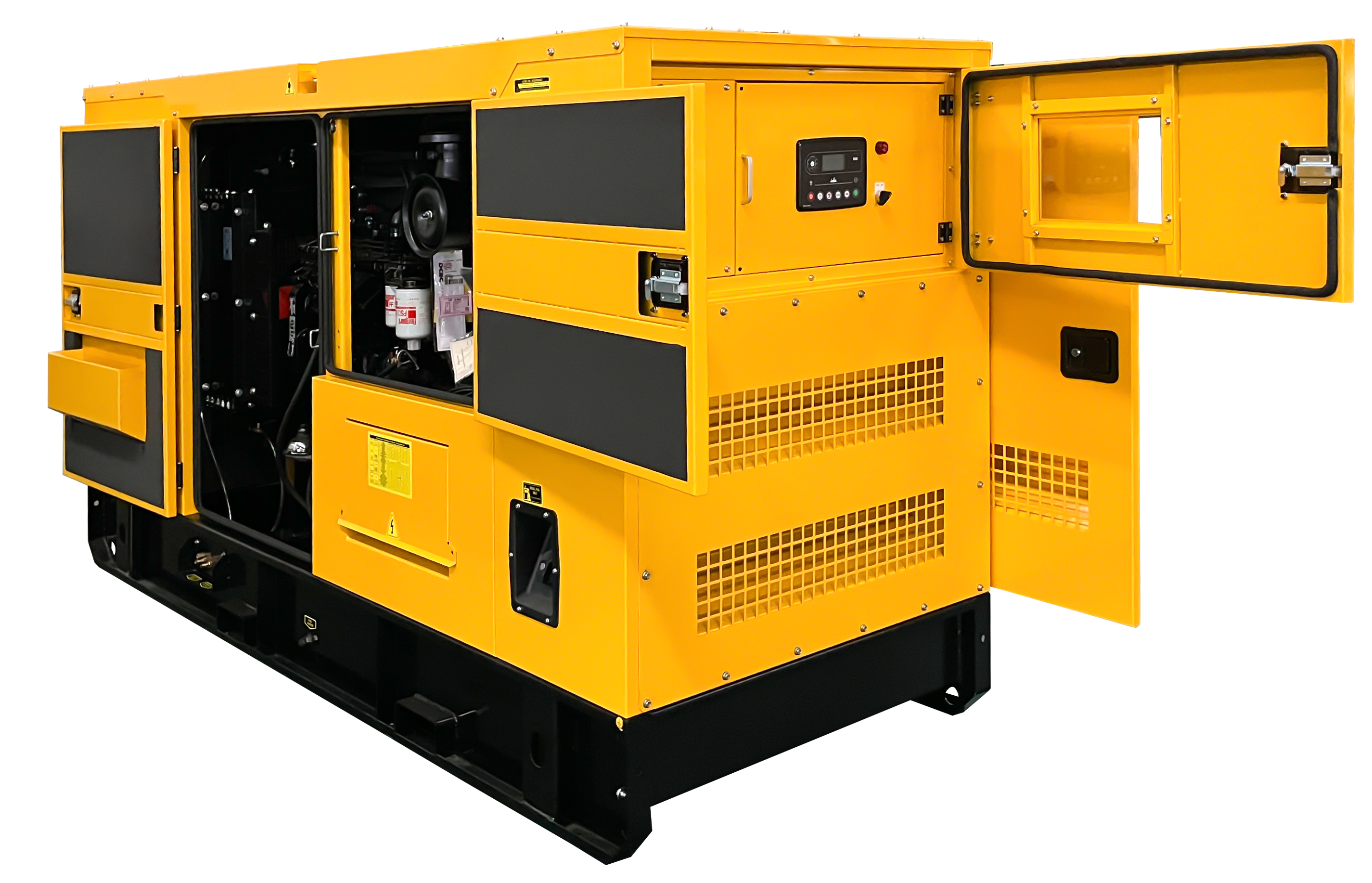
In these high-stakes arenas, engineers rely on specialized infrastructure. For instance, a high-voltage natural gas generator set powered by a robust L20V190ZLT-2 engine provides the necessary telemetry and durability. These industrial-grade sets feature reinforced engine blocks designed to endure continuous operational cycles that would destroy consumer-grade equipment.
In contrast, certain operations require the raw torque and distinct fuel storage capabilities of liquid fuel. When massive load-stepping is required, a commercial diesel generator set 200kVA like the Baudouin 6M16G220 series delivers 160kW of unwavering power. Evaluating whether your site benefits more from dual-fuel gas setups or heavy-duty diesel depends entirely on your peak load requirements and local fuel availability.
Upgrading your existing single-fuel machine is technically possible. However, it requires strict adherence to safety protocols and a deep understanding of fluid dynamics.
A conversion kit is an aftermarket assembly engineered to modify a standard liquid-fuel carburetor so it can ingest vaporized gases. Gasoline carburetors use a venturi vacuum to pull liquid through a tiny jet. Gaseous fuels require a completely different delivery mechanism.
A comprehensive kit features a specialized adapter ring mounted directly behind the air filter. It also includes a zero-governor demand regulator and high-pressure reinforced hoses. The zero-governor acts as a smart valve. It only releases gas vapor when it senses an engine vacuum during cranking or running. This prevents dangerous free-flowing leaks when the engine is idle.
While DIY conversions are popular, they carry severe caveats. Bolting an aftermarket kit onto your engine immediately voids the original manufacturer warranty. Brands will not cover internal damage caused by an improperly calibrated fuel system running too lean.
Safety remains the paramount concern. Natural gas plumbing and high-pressure propane connections are strictly governed by local fire and building codes like NFPA 54. A poorly sealed brass fitting can result in carbon monoxide pooling or explosive hazards. Hiring a licensed gas fitter to perform manometer pressure tests and soap-bubble leak checks is non-negotiable for stationary units.
Opting for a factory-built dual-fuel ecosystem provides empirical advantages. These benefits far outweigh the limitations of traditional single-fuel setups.
The true value of this technology is absolute redundancy. Disasters rarely follow a script. A localized ice storm might snap power lines but leave subterranean gas pipes intact. Conversely, a major earthquake could rupture utility lines across the city. Transitioning seamlessly from a compromised municipal pipeline to an independent propane cylinder guarantees that critical life-support systems remain online.
Internal combustion engines despise stagnant liquid fuel. Gasoline breaks down rapidly. It leaves behind a gummy residue that clogs microscopic carburetor jets. This is the primary reason generators refuse to start during an emergency. Because natural gas and propane enter the combustion chamber as dry vapors, they leave zero residue. This chemical reality drastically extends the life of spark plugs and keeps engine oil cleaner for longer.
Navigating the spec sheets of modern generators can be overwhelming. Follow this logical assessment checklist to ensure you select the perfect unit for your facility.
Undersizing a generator is a costly engineering mistake. You must meticulously calculate both running watts and starting watts. Starting watts represent the massive temporary power surge required to spin up electric motors in compressors and HVAC units.
Always tally the starting watts of your heaviest appliances. Once you have that peak number, pad it with a 20 percent safety margin. This prevents the alternator from overheating during prolonged use.
An Automatic Transfer Switch is mandatory for any permanent standby system. The ATS acts as the brain of your electrical infrastructure. It constantly monitors utility voltage. The millisecond grid power drops, the ATS isolates your property from the grid to prevent deadly back-feed. It then fires up the generator and routes the backup power to your breaker panel automatically.
Standard consumer metrics do not apply to commercial buyers. Factories and hospitals require three-phase power and extended runtime capabilities. Prioritize heavy-duty engine blocks designed for lower RPMs. Slower engine speeds drastically increase the lifespan of the equipment under continuous base-load operation. Ensure the system features advanced liquid cooling and complies with stringent industrial emissions standards.
Navigating the complexities of emergency power requires a strategic approach to fuel management. Standard single-fuel engines physically cannot process mixed gases safely. A purpose-built dual-fuel generator offers the ultimate insurance policy against infrastructure failure. You can heavily fortify your property by understanding the unique thermal properties of propane versus natural gas, accurately sizing your wattage requirements, and integrating vital safety mechanisms.
Dual-fuel technology ensures that when one lifeline is cut, your operations will not stop. Evaluate your specific electrical loads and consult with licensed installation professionals. If you are upgrading your facility or securing your industrial site against the next major outage, explore professional-grade backup power generation solutions tailored to your exact load requirements.
Yes, there is a measurable drop in output. This occurs due to basic chemistry. Liquid propane is highly dense, containing roughly 2,500 BTUs of energy per cubic foot. Natural gas contains only about 1,000 BTUs. Because natural gas delivers less thermal energy per combustion cycle, a dual-fuel generator will typically produce 10 to 20 percent fewer starting and running watts when connected to a utility gas line compared to a propane tank.
Absolutely not. It is physically impossible and incredibly dangerous to attempt simultaneous operation. Dual-fuel systems utilize a specialized selector dial or interlocking valve that strictly isolates one gas line from the other. Introducing both gases into the carburetor simultaneously would violently skew the air-to-fuel ratio, resulting in immediate engine flooding or a highly dangerous backfire due to extreme cylinder pressure.
Switching fuels requires a specific sequence to ensure safety and prevent engine stalling. First, you must shut off the valve of the currently active fuel source. Allow the engine to run for a few seconds to purge any remaining gas from the fuel lines and carburetor. Once the engine shuts down from fuel starvation, turn the main fuel selector dial to the new gas source. Open the valve for the new fuel, and restart the engine. Never flip the selector switch while the engine is under a heavy electrical load.
In terms of raw fuel cost, utility-supplied natural gas is generally cheaper per cubic foot than delivered liquid propane. However, cost-effectiveness depends on your infrastructure. If your property already has a natural gas line, tapping into it is highly economical. If you live off-grid, the initial trenching and plumbing costs to bring natural gas to your property can be exorbitant, making bulk propane storage the more viable financial strategy.
Generally speaking, yes. Engines engineered for gaseous fuels rely on spark-plug ignition. This results in a much smoother and controlled combustion cycle. Diesel engines utilize high-compression ignition, which generates intense mechanical vibration and a loud clattering noise. The smoother operation of gas engines makes them vastly superior for noise-sensitive environments.
Runtime is dictated entirely by the engine displacement and the electrical load you are demanding. A standard 20lb cylinder holds approximately 4.7 gallons of liquid propane. If you operate a mid-sized portable generator at a 50 percent electrical load, you can expect roughly 5 to 8 hours of continuous runtime. Pushing the generator to its maximum wattage drains the tank significantly faster.
In almost every scenario, yes. Original Equipment Manufacturers rigorously test and certify their engines to operate under highly specific factory parameters. Bolting on an aftermarket conversion kit alters the fuel delivery mechanics and combustion temperatures. Manufacturers view this as an unauthorized modification and will immediately void your warranty. Purchasing a factory-engineered dual-fuel model is the smartest route for guaranteed safety.


 Energy Storage System