Views: 0 Author: Site Editor Publish Time: 2026-08-27 Origin: Site
Increasing grid instability, volatile fossil fuel dependencies, and stringent decarbonization mandates force industrial facilities to rethink their power reliance. Relying exclusively on utility grids or standalone diesel generators exposes operations to single points of failure and regulatory penalties. Facility managers need a resilient approach to keep operations running without interruption. Transitioning to a hybrid energy system mitigates these risks by diversifying generation sources. This infrastructure blends the reliability of traditional power with the sustainability of renewables. We will break down the technical mechanics, architectural configurations, and critical evaluation criteria required to determine if this power infrastructure fits your operational load. You will learn how to balance intermittent renewables with dispatchable generation to maintain power quality during grid outages.
A hybrid energy system integrates multiple power generation sources (typically renewable and conventional) with energy storage and smart controls to optimize reliability and cost.
The core value driver is the Energy Management System (EMS), which automates load dispatching and balances intermittency in real-time.
Procurement models are evolving; facilities can now leverage Energy-as-a-Service (EaaS) or Power Purchase Agreements (PPAs) to shift hybrid energy system deployments from CAPEX to OPEX.
Successful implementation requires rigorous upfront load profiling and a clear prioritization among three competing goals: maximum resiliency, maximum decarbonization, or maximum cost savings.
Table of Contents
Enterprise-grade power reliability requires far more than bolting solar panels to a roof and parking a diesel generator out back. Commercial facilities demand seamless power transitions, heavy motor starting capabilities, and automated compliance reporting. We must define the baseline requirements that separate true hybrid infrastructure from simple co-located assets.
A true hybrid setup is an active, automated integration of multiple energy assets into a single, cohesive power plant. It operates as a unified microgrid environment. If your solar array shuts down during a grid outage while your backup generator runs independently, you do not have a hybrid setup. You simply have two disconnected systems.
The defining characteristic is intelligent orchestration. The system must dynamically balance supply and demand. It reads facility loads, predicts renewable generation based on weather data, and dispatches stored or fossil-fuel energy to fill the gaps. This requires advanced power electronics and communication protocols working in unison across the entire site. Every component must communicate over a shared network to ensure the facility never experiences a drop in voltage or frequency.
Modern hybrid infrastructure rests on three distinct technical pillars. Each component must be sized and integrated to support the specific electrical characteristics of the facility.
Generation Assets
This pillar combines dispatchable power with intermittent renewables. Dispatchable assets include diesel generators, natural gas reciprocating engines, or microturbines. You can turn them on and off at will. Intermittent assets include solar photovoltaic (PV) arrays and wind turbines. They generate power based on environmental conditions. A robust design balances the predictability of fossil fuels with the emission-free generation of renewables. In the field, we often see a mix of tier-4 final diesel gensets paired with rooftop or ground-mount PV arrays to handle the baseload.
Energy Storage Systems (ESS)
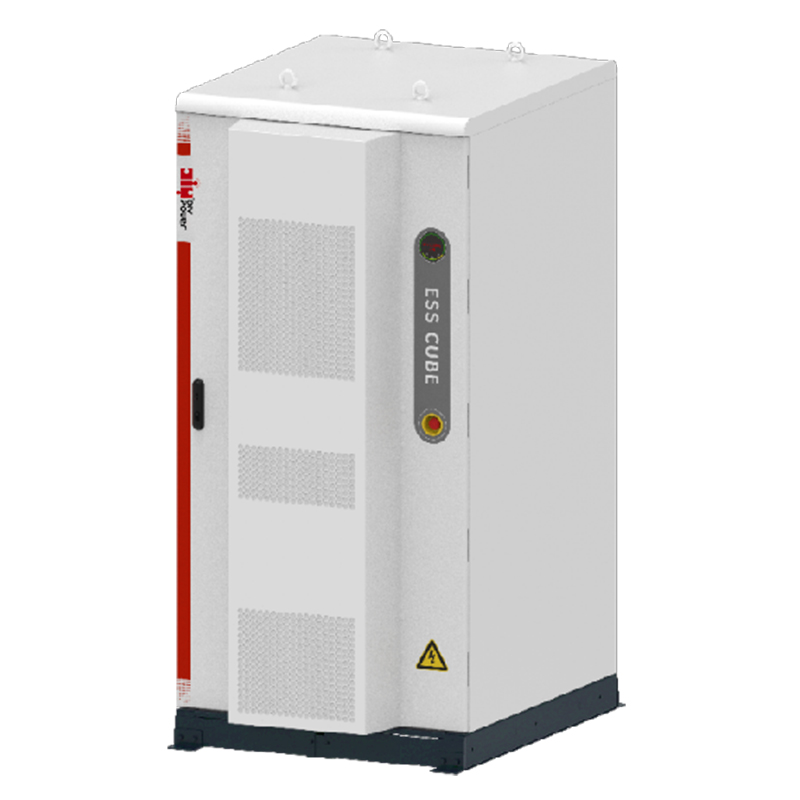
Storage bridges the gap between generation peaks and load demands. Lithium-ion battery racks are the industry standard for short-duration, high-power applications. They absorb excess solar energy during the day and discharge it during evening peak loads. For long-duration needs, vanadium redox flow batteries offer scalable energy capacity without the degradation cycles typical of lithium chemistries. Thermal storage can also capture excess electrical energy as heat or ice for HVAC displacement. We size these battery banks based on the facility's peak kilowatt draw and the required duration of autonomous operation.
Control and Conversion Infrastructure
This is the central nervous system. Bidirectional inverters convert direct current (DC) from batteries and solar panels into alternating current (AC) for the facility. Charge controllers regulate the voltage and current flowing into the battery banks to prevent overcharging. The overarching Energy Management System (EMS) acts as the brain, executing complex algorithms to dictate which asset provides power at any given millisecond. The EMS communicates with protective relays and breaker trip units to ensure fault currents are cleared safely before they damage sensitive equipment.
Understanding the internal mechanics reveals why these systems excel at maintaining power quality. The hardware components rely entirely on the software logic to function efficiently.
The EMS monitors facility load profiles millisecond-by-millisecond. It uses current transformers (CTs) and potential transformers (PTs) at the main switchgear to read the exact power draw and voltage levels. When a large industrial motor starts, the EMS detects the inrush current instantly.
The system follows strict algorithmic prioritization. It draws from renewables first. If solar output drops due to a passing cloud, the EMS commands the battery inverters to discharge power. It spins up fossil-fuel generators only as a last resort or for heavy transient loads that exceed the battery's discharge rating. This logic minimizes generator run hours, reducing maintenance intervals and fuel consumption. The governor on the diesel generator reacts to load steps, while the battery smooths out the voltage dips.
Advanced systems incorporate predictive algorithms. They pull data from weather APIs and historical load patterns. If the EMS forecasts heavy cloud cover tomorrow afternoon, it may choose to charge the battery bank from the grid tonight during off-peak hours. This ensures sufficient reserve capacity is available when renewable generation dips, preventing unexpected generator starts.
Hybrid infrastructure operates in two distinct states. The transition between these states must be flawless to protect sensitive equipment.
Grid-Tied Operations
While connected to the utility grid, the system focuses on load shifting and peak shaving. Peak shaving involves discharging batteries during periods of high facility demand to keep the total grid draw below a specific threshold. This flattens the load profile. Load shifting involves storing energy when demand is low and deploying it when demand is high. The system can also export excess renewable power back to the utility for net metering credits or participate in grid ancillary services like frequency regulation.
Island Mode Operations
When the utility grid fails, the system must safely disconnect and form its own microgrid. This is island mode. The EMS opens the main utility breaker to prevent back-feeding power into dead power lines. Simultaneously, grid-forming inverters take over. They establish the local voltage and frequency reference. The system synchronizes the phase angles of the solar inverters, battery inverters, and generators to maintain perfect 60Hz or 50Hz power quality. Once the utility grid stabilizes, the EMS synchronizes the internal microgrid with the utility phase before closing the main breaker.
No single architecture fits every facility. Engineers design specific configurations based on geographic constraints, available footprint, and industry load profiles.
This setup dominates remote operations like mining camps, island communities, and off-grid telecommunications. These sites traditionally rely on diesel generators running 24/7. Fuel delivery logistics are complex and highly vulnerable to weather disruptions.
Integrating solar and storage fundamentally changes the operational profile. The solar array carries the daytime load while charging the batteries. The batteries carry the nighttime load. The diesel generator only kicks on during prolonged bad weather or extreme load spikes. This fuel displacement strategy drastically reduces diesel runtime. It stretches generator maintenance intervals from weeks to months and slashes the volume of fuel that must be trucked to the site.
Facilities located in coastal regions or open plains leverage high-renewable fraction systems. Wind and solar often share complementary diurnal and seasonal patterns. Wind generation frequently peaks at night or during winter storms, exactly when solar generation is lowest.
Combining both sources smooths out the overall renewable generation curve. However, this configuration requires significantly larger ESS capacity. The battery banks must be sized to manage prolonged periods of low generation, often referred to as dark doldrums. These systems excel at decarbonizing large-scale industrial operations where land availability is not a constraint.
Manufacturing plants, hospitals, and university campuses require massive amounts of both electrical and thermal energy. Combined Heat and Power (CHP) systems use natural gas engines to generate electricity while capturing the exhaust heat. This waste heat is routed through heat exchangers to produce steam or hot water for the facility.
Integrating CHP into a hybrid control logic maximizes efficiency. The EMS balances the electrical output of the solar array with the thermal demands of the facility. If the campus needs more heat but less electricity, the EMS might route the excess electrical output from the CHP engine into the battery storage system or export it to the grid. This ensures the engine runs at its most efficient thermal setpoint.
Data centers and critical healthcare facilities measure downtime in millions of dollars or human lives. These environments require systems engineered for zero-transfer-time. They must ride through grid failures seamlessly without dropping a single server or life-support machine.
These configurations prioritize UPS-grade battery storage and redundant dispatchable generation over maximum renewable penetration. The battery inverters operate continuously in parallel with the grid. If the grid drops, the inverters pick up the load instantly—often in less than 4 milliseconds. The EMS then signals the standby generators to start, synchronize, and assume the load before the batteries deplete. Solar PV acts as a supplementary energy source rather than the primary backbone.
Configuration Type | Primary Generation Assets | Ideal Industry Application | Core Operational Benefit |
|---|---|---|---|
Remote Industrial | Solar PV, Diesel, Li-ion Battery | Mining, Telecom, Island Grids | Massive fuel displacement and reduced logistics. |
Coastal / Plains | Wind, Solar PV, Flow Battery | Utility-Scale, Agriculture | Complementary generation smoothing out intermittency. |
Thermal Integration | Natural Gas CHP, Solar, Storage | Manufacturing, University Campuses | Waste heat recovery and high overall efficiency. |
Critical Reliability | UPS-grade Storage, Redundant Gen-sets | Data Centers, Hospitals | Zero-transfer-time and seamless ride-through. |
Deploying hybrid infrastructure requires rigorous upfront analysis. You must evaluate your facility's specific needs against the technical realities of the equipment.
You must establish primary objectives early in the design phase. Are you optimizing for zero downtime, or strict ESG compliance? Optimizing for one often compromises another.
If resiliency is the primary goal, the design will lean heavily on oversized battery banks and redundant fossil-fuel generators. This ensures the facility survives extended grid outages. If decarbonization is the mandate, the design will maximize solar and wind capacity while minimizing generator runtime. You must clearly define what success looks like for your operations before selecting hardware.
Corporate sustainability mandates require verifiable data. Modern EMS platforms provide audit-ready reporting for emissions reductions. They track exactly how many kilowatt-hours were generated by renewables versus fossil fuels.
This data is critical for Scope 1 and Scope 2 emissions reporting. Scope 1 covers direct emissions from onsite generators. Scope 2 covers indirect emissions from purchased grid electricity. By displacing grid power with onsite solar and minimizing generator runtime, a hybrid setup directly reduces both categories. The EMS logs this data securely, allowing facility managers to prove compliance with environmental regulations and avoid carbon penalties.
Energy needs evolve. A facility might expand its manufacturing floor or transition to an all-electric vehicle fleet. The power infrastructure must scale accordingly.
Evaluate modular architectures. AC-coupled systems allow you to add future solar arrays or battery racks without replacing the core inverters or the EMS. You simply tie the new assets into the existing AC bus. DC-coupled systems are highly efficient but can be rigid if you need to expand storage capacity later. Ensure the EMS software utilizes open communication protocols so it can recognize and control hardware from different manufacturers ten years down the line.
Connecting a multi-asset power plant to the utility grid involves strict regulatory hurdles. You must navigate local utility interconnection agreements and environmental permitting.
Inverters must comply with standards like IEEE 1547 and UL 1741 SA. These standards dictate how the equipment responds to grid voltage and frequency anomalies. They mandate anti-islanding protection to ensure the system does not electrocute utility line workers during an outage. Additionally, onsite generators require environmental permits governing exhaust emissions and noise levels. Factor these regulatory timelines into your project schedule early.
A hybrid energy system is a highly engineered infrastructure project. Poor execution leads to stranded assets and operational disruptions. You must proactively manage implementation risks.
Incompatibility between modern EMS protocols and legacy switchgear is a major risk. Older backup generators and mechanical relays often lack the digital interfaces required for automated control.
Mitigate this by conducting comprehensive electrical single-line diagram audits before procurement. Identify every breaker, relay, and generator controller. If the legacy equipment uses outdated analog signals, you must install protocol converters or upgrade the critical switchgear. The EMS typically communicates via Modbus TCP/IP or CAN bus. Every component on the network must speak the same language seamlessly.
Cloud-dependent EMS platforms pose significant operational risks. If the facility loses internet connectivity, a cloud-only system might fail to dispatch the batteries or start the generators. Furthermore, connecting critical power infrastructure to the internet exposes it to cyber threats.
Mandate edge-computing capabilities. The local EMS controller must retain full autonomous control over the microgrid even if the external network goes down. Implement zero-trust network architectures for remote monitoring. Air-gap the power control network from the general corporate IT network. Use encrypted VPN tunnels for any remote diagnostic access required by the vendor.
Becoming trapped in a proprietary software ecosystem is a long-term liability. Some vendors use closed-source EMS platforms that only communicate with their specific brand of batteries or inverters. This prevents you from integrating cheaper or better hardware in the future.
Prioritize hardware-agnostic EMS platforms. Demand clear Service Level Agreements (SLAs) from your Engineering, Procurement, and Construction (EPC) partners. Secure performance guarantees that hold the vendor accountable for system uptime and round-trip efficiency. Thoroughly vet the EPC's track record of integrating the specific generation assets your site requires.
Commission a detailed 12-month load profile analysis to determine your facility's exact baseload and peak demand spikes.
Audit your existing switchgear and backup generators to identify required communication upgrades for EMS integration.
Align internal stakeholders on whether the system must prioritize zero-transfer-time resiliency or maximum decarbonization.
Require all vendor proposals to specify hardware-agnostic software to prevent future vendor lock-in.
A: A hybrid system integrates multiple distinct power generation sources with energy storage. A microgrid refers to the electrical boundary that can disconnect from the main utility and operate autonomously. Most modern microgrids utilize hybrid systems to maintain power, but a hybrid system can also exist purely grid-tied without islanding capabilities.
A: The Energy Management System monitors the facility's real-time power draw. When the load approaches the utility's peak demand threshold, the EMS commands the battery storage to discharge. This covers the excess load locally, keeping the grid draw flat and avoiding high demand penalties.
A: Yes. In off-grid applications, the system relies on grid-forming inverters to establish the voltage and frequency. Solar and wind handle the primary generation, batteries manage the short-term fluctuations, and diesel generators provide the ultimate backup during prolonged bad weather.
A: Lithium-ion systems require routine HVAC filter changes, coolant level checks for liquid-cooled racks, and software updates for the Battery Management System (BMS). Flow batteries require pump and valve inspections. All systems need regular torque checks on electrical terminations.
A: Transition speeds depend on the hardware. Standard contactor-based systems take a few seconds, causing a brief flicker. High-reliability setups use static transfer switches and UPS-grade inverters to transition in under 4 milliseconds, providing seamless ride-through for sensitive electronics.
A: A grid-forming inverter generates its own AC voltage and frequency reference. Unlike grid-following inverters, which shut down if they lose the utility signal, grid-forming inverters create the microgrid environment, allowing solar and batteries to function during a blackout.


 Energy Storage System