Views: 0 Author: Site Editor Publish Time: 2026-04-16 Origin: Site
Diesel generators have long been a cornerstone of reliable power supply, providing energy to residential, commercial, industrial, and outdoor applications. In 2026, diesel generator sets continue to evolve with quieter operation, advanced fuel efficiency, and smart monitoring options. Whether for backup power during outages, continuous operation for industrial facilities, or mobile deployment for events, diesel generators remain essential for dependable electricity. Modern innovations make them more efficient, environmentally friendly, and user-friendly, allowing operators to meet diverse power needs with confidence.
Diesel generator sets are widely used as standby power sources because of their ability to start quickly and supply electricity during blackouts. Hospitals, data centers, banks, and industrial facilities rely on diesel generators for uninterrupted operations.
High-quality diesel engines are designed to withstand heavy-duty workloads and extreme operating conditions. With proper maintenance, diesel generator sets can last decades, providing reliable power over long periods.
Advances in engine technology, fuel injection systems, and combustion optimization allow diesel generators to operate efficiently. Many 2026 models achieve optimal fuel consumption at 75–80% load, minimizing refueling interruptions.
Diesel generators are available in portable, inverter, standby, and industrial/high-capacity configurations, making them suitable for a wide range of applications, from small residential setups to large industrial operations.
Modern diesel generator sets are designed for simplified maintenance with accessible oil filters, air filters, and batteries. Some models even integrate IoT-enabled alerts for predictive maintenance.
Diesel generator sets in 2026 are designed to meet diverse power needs, from portable units for temporary use to high-capacity industrial generators. Modern designs prioritize fuel efficiency, durability, quiet operation, and smart monitoring. Understanding the main types helps users select the right generator for residential, commercial, or industrial applications.
Portable diesel generators are compact, lightweight, and designed for mobility, making them ideal for temporary power needs in a variety of settings.
· Mobility: Equipped with handles and wheels, these diesel generator sets can be easily transported to construction sites, outdoor events, camping trips, or emergency locations.
· Versatile Usage: Portable units are commonly deployed where temporary, reliable power is required but permanent infrastructure is unavailable.
· Modern Enhancements: Many 2026 portable diesel generator models feature USB and AC outlets for charging electronics, as well as smartphone app monitoring for real-time fuel levels, engine performance, and maintenance alerts.
· Noise Control: Advanced mufflers and soundproofing reduce operational noise, making them suitable for residential neighborhoods, public events, or noise-sensitive areas.
· Cost-Effective: Lower upfront cost and flexibility make portable diesel generators an economical choice for small-scale operations or temporary power requirements.
Inverter diesel generators produce clean, stable power suitable for sensitive electronics while improving fuel efficiency.
· Variable Engine Speed: Automatically adjusts engine output to match load requirements, optimizing fuel consumption and reducing wear.
· Low-Noise Operation: Quieter engines make inverter generator sets suitable for home offices, laboratories, and small commercial spaces.
· Smart Integration: Many models include remote monitoring via apps, providing alerts for fuel levels, operational performance, and maintenance needs.
· Voltage Regulation: Ensures consistent, clean power, protecting sensitive electronics such as computers, medical equipment, or networking devices.
· Environmental Impact: Reduced emissions and quieter operation compared to conventional diesel generators support sustainability initiatives.
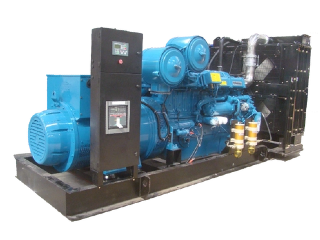
Standby diesel generators automatically provide backup power during outages, ensuring uninterrupted operation for critical applications.
· Automatic Startup: Activates instantly when utility power fails, maintaining continuous operation.
· Critical Use: Essential for hospitals, data centers, banks, and industrial facilities where downtime is unacceptable.
· Hybrid Integration: Some units include solar-diesel hybrid systems to improve fuel efficiency and reduce operating costs.
· Maintenance and Monitoring: Automated self-tests and remote monitoring simplify maintenance and help prevent unexpected downtime.
Industrial diesel generators deliver high power output for heavy-duty applications in demanding environments.
· Robust Design: Built to handle vibration, dust, high temperatures, and continuous heavy loads.
· Advanced Cooling Systems: Maintains optimal engine temperature during prolonged operation to prevent overheating.
· Long Runtime: Capable of continuous operation in industrial plants, factories, and construction projects.
· IoT and Predictive Maintenance: Enables remote monitoring and proactive maintenance to reduce the risk of mechanical failures.
· Durability: Withstands harsh environments and long-term industrial use.
· Efficiency: Balances high output with fuel economy for cost-effective operation.
· Reliability: Ensures uninterrupted power for critical industrial processes and operations.
Selecting the correct diesel generator set depends on multiple factors:
· Power Requirements: Calculate total wattage and startup surge requirements.
· Noise Levels: Consider decibel ratings and soundproofing for residential or commercial compliance.
· Fuel Efficiency & Runtime: Ensure the generator can run continuously without frequent refueling.
· Portability & Installation: Evaluate weight, handles, wheels, and setup space.
· Usage Frequency: Distinguish between occasional and daily operation.
· Budget Considerations: Balance initial cost against long-term operational savings.
· Environmental & Safety Features: Check emissions standards, safety sensors, and regulatory compliance.
Proper maintenance is crucial to ensure a diesel generator set operates efficiently, delivers reliable power, and achieves a long service life. Neglecting maintenance can lead to reduced performance, higher fuel consumption, and costly repairs.
Regular inspections are the first step in maintaining a diesel generator set. Operators should carefully check for:
· Leaks: Oil, coolant, and fuel leaks can indicate worn seals or hoses that need replacement.
· Corrosion: Rust on engine components, terminals, or the frame can compromise durability.
· Wear and Damage: Look for loose bolts, frayed wires, and other signs of mechanical stress.
Frequent visual checks help detect small issues before they escalate into major problems.
Oil lubricates moving engine parts and prevents friction-related damage. Diesel generator sets require:
· Regular Oil Changes: Following the manufacturer’s schedule maintains optimal engine performance.
· Filter Replacements: Fuel and air filters should be cleaned or replaced to prevent clogging, ensuring proper combustion and engine efficiency.
A diesel generator’s battery powers automatic start functions and control systems. Proper maintenance includes:
· Voltage Monitoring: Ensure the battery retains a full charge.
· Terminal Cleaning: Prevent corrosion buildup for consistent electrical connections.
· Replacement as Needed: Batteries lose capacity over time and may need periodic replacement.
Clean fuel and an effective cooling system are essential for reliability:
· Fuel System: Always use high-quality diesel, replace filters, and avoid contaminated fuel.
· Coolant System: Maintain levels, flush the system periodically, and inspect for leaks or blockages to prevent overheating.
Annual or semi-annual inspections by certified technicians help maintain generator reliability. Modern IoT-enabled diesel generator sets also provide:
· Smart Maintenance Alerts: Real-time reminders for oil changes, filter replacements, or service checks, reducing downtime and preventing unexpected failures.
Brand | Model | Engine Model | Emission Standard | Frequency / RPM | Standby Power ESP (kVA/kW) | Rated Power PRP (kVA/kW) | Continuous Power COP | Generator Model | Structure Type | Dimensions L×W×H (mm) | Weight (kg) | Fuel Tank Capacity (L) | Noise Level dB(A) | Auto Run Time |
KOFO | DIY-KF66 | KOFO MN4105ZDS | China State II | 50Hz - 1500RPM | 66 / 53 | 60 / 48 | N/A | DIY224E2 | N/A | N/A | N/A | N/A | 95@7m/75% | N/A |
YTO | DIY-DP165 | YTO LR6B3L-15 | China State II | 50Hz - 1500RPM | 165 / 132 | 150 / 120 | N/A | DIY274E3 | Open/Silent | 2350×900×1330 / 3250×1100×1750 | 1280 / 2117 | 250 / 320 | 95 / 75 | 11h@75%, 8h@100% |
Baudouin | DIY-B66 | 4M10G70/5 | China State II | 50Hz - 1500RPM | 66 / 52.8 | 60 / 48 | N/A | DIY224D2 | N/A | N/A | N/A | N/A | N/A | N/A |
Perkins | DIY-P1100 | Perkins 4008TAG2A | China State II | 50Hz - 1500RPM | 1100 / 880 | 1000 / 800 | N/A | Stamford S6L1D-E41 | N/A | N/A | N/A | N/A | N/A | N/A |
Cummins | DIY-C63 | Cummins 4BTA3.9-G2 | China State II | 50Hz - 1500RPM | 63 / 50 | 56 / 45 | N/A | N/A | N/A | N/A | N/A | N/A | N/A | N/A |
Selection Advice:
· KOFO DIY-KF66: Suitable for small-to-medium commercial use; quiet operation.
· YTO DIY-DP165: High power, open or silent options; ideal for industrial sites and large construction projects.
· Baudouin DIY-B66: Mid-power unit; suitable for backup or light commercial use.
· Perkins DIY-P1100: Ultra-high capacity; for industrial plants or continuous high-load applications.
· Cummins DIY-C63: Compact industrial generator; suitable for small to medium facilities.
Q1: What type of diesel generator is best for my home?
A1: Silent or inverter diesel generators are best for quiet, reliable residential backup power.
Q2: Can I use a diesel generator for sensitive electronics like computers?
A2: Yes, use an inverter generator for stable, clean power to protect electronics.
Q3: How long can a diesel generator run continuously?
A3: Most generators can safely run 8–12 hours at 75–80% load.
Q4: Are inverter diesel generators more cost-effective in the long run?
A4: Yes, they save fuel and reduce wear despite higher initial costs.
Q5: How often should I perform maintenance on my generator?
A5: Basic checks every 50–100 hours; full service every 6–12 months.
Diesel generators in 2026 provide versatile solutions for a wide range of power needs, from portable units for outdoor events to high-capacity industrial sets. Modern diesel generator sets deliver fuel efficiency, durability, quiet operation, and smart features, ensuring reliable performance under varying conditions. When selecting a generator, it’s important to consider power output, noise levels, runtime, and maintenance requirements to match specific applications. For expert guidance, tailored solutions, and detailed specifications on the latest diesel generator sets, DIY POWER SYSTEM CO., LTD. offers professional support and a full range of models. Contact them to find the right generator that combines efficiency, reliability, and long-term value for your needs.


 Energy Storage System