Views: 0 Author: Site Editor Publish Time: 2026-04-15 Origin: Site
When using a diesel generator, one of the most important concepts to understand is the 80% rule. This guideline ensures that generators operate efficiently and safely without risking damage or reduced lifespan. By keeping continuous loads at or below 80% of a generator’s rated capacity, you can prevent overheating, extend the generator’s life, and maintain reliable power delivery for critical applications. The rule is particularly crucial for industrial environments, emergency backup systems, and high-demand equipment like drone charging stations or medical devices.
The 80% rule for diesel generators is a safety and operational guideline that suggests running a generator at no more than 80% of its rated continuous capacity. This margin accounts for temporary power surges, variations in load demand, and environmental factors that could strain the generator if pushed to full capacity.
Understanding and applying this rule is essential for:
· Continuous industrial operations, such as factories or construction sites
· Emergency backup power in hospitals, data centers, and commercial buildings
· High-demand equipment that requires consistent and stable power, like drone charging stations
By following the 80% rule, operators can avoid overheating, reduce mechanical wear, and prevent sudden failures that could interrupt operations.
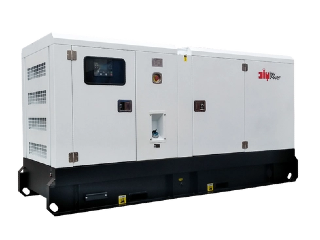
The core of the 80% rule is that a generator should never be operated continuously at its full rated capacity. For example, a 100 kW diesel generator should only be used for a continuous load of up to 80 kW. The remaining 20% of capacity serves as a buffer for power surges or unexpected increases in load.
Running a diesel generator at full capacity without a safety margin can lead to:
· Overheating: Excessive continuous load causes higher engine and alternator temperatures, reducing lifespan.
· Mechanical wear: Components like pistons, bearings, and alternator windings can deteriorate faster.
· Fuel inefficiency: Operating near full capacity constantly may increase fuel consumption per kWh.
The 80% rule helps operators maintain reliable, long-term operation while preventing costly downtime and repairs.
Adhering to the 80% rule improves overall reliability:
· Reduced risk of tripping breakers or damaging circuits
· Consistent voltage and frequency output for sensitive electronics
· Longer intervals between maintenance and fewer emergency repairs
Applying the 80% rule to diesel generators is a crucial step in ensuring safe, reliable, and efficient operation. The process begins with understanding the generator’s rated capacity, which is usually provided by the manufacturer in kilowatts (kW). The safe continuous load should not exceed 80% of this rated capacity. This margin allows the generator to handle temporary power surges, fluctuations in demand, and environmental factors such as temperature or altitude changes, which could otherwise overstrain the generator and lead to mechanical wear or failure.
Calculating the safe continuous load for a diesel generator is straightforward:
Step 1: Identify the rated capacity of your diesel generator in kilowatts (kW).
Step 2: Multiply the rated capacity by 0.8 to determine the safe continuous load.
Step 3: Ensure that the total connected load from all devices and equipment does not exceed this calculated value.
For example, consider a 60 kW diesel generator. Applying the 80% rule:
60 kW × 0.8 = 48 kW
This means the generator can safely handle a continuous load of up to 48 kW. Exceeding this limit can cause overheating, frequent tripping of breakers, or premature wear of the generator components.
Generator Rated Capacity (kW) | 80% Continuous Load (kW) | Example Application |
30 kW | 24 kW | Small workshops, residential backup |
60 kW | 48 kW | Medium commercial buildings, small factories |
100 kW | 80 kW | Industrial workshops, hospital backup |
250 kW | 200 kW | Large industrial sites, high-demand manufacturing |
500 kW | 400 kW | Data centers, airports, heavy equipment operations |
Ensuring proper circuit protection and breaker sizing is essential for safe and efficient diesel generator operation. Following the National Electrical Code (NEC) recommendations, circuit breakers should be sized based on the continuous load of the generator rather than its maximum rated capacity. By applying the 80% rule, operators can prevent unnecessary tripping of breakers, reduce the risk of overheating, and ensure that the generator operates within safe limits. This approach not only protects the generator itself but also safeguards connected equipment and personnel.
Understanding the difference between continuous and peak load is critical when selecting breakers:
· Continuous load: This is the maximum load that a generator can supply over an extended period without risking overheating or mechanical damage. The 80% rule directly applies here, providing a safety margin to handle minor fluctuations and avoid excessive strain on the generator.
· Peak load: These are short-term surges in demand that can temporarily exceed the continuous load. While generators can handle these peaks for limited periods, sustained operation at peak load can lead to overheating, increased wear, and potential failure of the generator components.
Properly rated breakers must accommodate the continuous load while allowing for occasional peak loads without tripping unnecessarily.
Using undersized breakers or connectors introduces significant hazards, including:
· Overheating of wires and connectors: This can damage insulation, degrade conductor performance, and create fire risks.
· Equipment damage: Electrical components may fail prematurely due to voltage drops, spikes, or inconsistent power supply.
· Unplanned shutdowns: Tripped breakers during critical operations can halt industrial processes, compromise safety, and cause costly downtime.
By selecting breakers and connectors based on the 80% rule, operators can ensure that all components of the electrical system are correctly matched, reducing hazards and maintaining reliable operation. Proper sizing also enhances longevity of both the generator and the connected devices, providing peace of mind in industrial, commercial, and residential applications.
Proper selection of conductors and connectors is crucial to safely implementing the 80% rule for diesel generators. Ensuring that the generator’s output aligns with the capacity of cables, connectors, and associated electrical components allows for efficient energy transfer while minimizing the risk of overheating, voltage drops, or energy losses. Using the correct gauge of conductor and appropriately rated connectors protects both the generator and the devices it powers, maintaining system reliability over time.
When operating a diesel generator at continuous loads, it is essential that the connected conductors and connectors can handle the expected current without exceeding their thermal limits. Oversized conductors may be unnecessarily expensive and cumbersome, while undersized conductors can overheat, degrade insulation, and create potential fire hazards. Proper matching ensures that the generator can deliver power safely to all loads while maintaining compliance with electrical codes and standards.
IEC60309 connectors are widely used in industrial applications due to their durability and standardization. While these connectors are tested to handle short-term loads up to 110% of their rated capacity, continuous operation above 80% is strongly discouraged. Running connectors beyond their safe continuous rating accelerates wear, increases resistance, and can compromise electrical connections, which may result in overheating, sparking, or arcing.
Ignoring the 80% rule for conductors and connectors can have serious consequences, including:
· Cable insulation failure: Excessive heat can degrade insulation, exposing live wires and creating shock or fire risks.
· Electrical arcing at connectors: Loose or overheated connections can spark, damaging equipment and posing safety hazards.
· Premature generator wear or failure: Overloaded circuits place stress on the generator, shortening its operational life and increasing maintenance costs.
Adhering to the 80% rule ensures safe, reliable operation of the generator system and all associated electrical components, safeguarding personnel, equipment, and infrastructure.
· Always operate diesel generators at 80% or less of rated capacity for continuous loads.
· Ensure breakers, connectors, and conductors are correctly sized to handle continuous operation safely.
· For sustained high-demand applications, consider upsizing components or using multiple generators in parallel.
· Proper application of the 80% rule prolongs generator life, reduces maintenance costs, and prevents dangerous failures.
Q1: Can I run my diesel generator at 100% load continuously?
Running at full capacity can cause overheating, shorten lifespan, and increase fuel consumption. It is not recommended for long-term operation.
Q2: How do I calculate the 80% load for my generator?
Multiply the generator’s rated capacity by 0.8. Example: 60 kW × 0.8 = 48 kW safe continuous load.
Q3: Does the 80% rule apply to both single-phase and three-phase generators?
Yes. Calculations differ based on phase configuration, but the principle remains the same.
Q4: What happens if my connectors or conductors are undersized?
Undersized components can overheat, damage equipment, and increase fire risk. Always match ratings to generator output.
Q5: Is the 80% rule mandated by code?
While not always legally required, NEC recommends it for continuous loads. IEC standards for connectors also consider safe operating margins.
Q6: Can I use the 80% rule for diesel generators in backup or emergency applications?
Yes. Even for backup systems, following the 80% rule ensures reliable startup and reduces the risk of generator damage under unexpected load.
The 80% rule is an essential guideline for safely and efficiently operating diesel generators, ensuring continuous loads remain below 80% of rated capacity. This practice helps prevent overheating, prolong generator lifespan, and guarantee reliable power for industrial, commercial, and residential applications. Proper breaker sizing, connector compatibility, and conductor capacity are key to implementing this rule effectively, whether you’re using a small 30 kW backup unit or a 500 kW industrial Diesel Generator Set. For more expert guidance, product options, and professional support on diesel generator applications, visit DIY POWER SYSTEM CO., LTD. Their team can help you select the right Diesel-Generator-Set, ensure safe operation, and provide tailored solutions to meet your power needs.


 Energy Storage System