Views: 0 Author: Site Editor Publish Time: 2026-08-17 Origin: Site
Unplanned downtime shuts down industrial facilities instantly. A sudden power loss halts active production lines, corrupts sensitive data center servers, and compromises life-safety systems in hospitals. Facility managers face a difficult challenge daily. They need backup power that guarantees rapid load acceptance, high fuel efficiency, and long-term mechanical durability. Finding a system that meets these heavy-duty demands requires strict technical evaluation. The Mitsubishi lineup provides a reliable solution. Specifically, the MGS series stands out for mission-critical power applications. We will evaluate its technical specifications, real-world use cases, and physical implementation realities. You will learn how to match power capacities to facility requirements and integrate these systems for seamless mechanical operation. Proper evaluation prevents catastrophic failures during prolonged grid outages. We provide the technical framework necessary for informed equipment procurement and site integration.
Scalable Power Capacity: Mitsubishi diesel generators cover a broad operational spectrum, typically ranging from 385kVA to 3000kVA+ (800 kW to 2000+ kW), accommodating both mid-sized commercial and heavy industrial loads.
Rapid Transient Response: Engineered for a 10-second fast response time, ensuring immediate power restoration for zero-downtime environments like healthcare and data centers.
Optimized Total Cost of Ownership (TCO): High-efficiency engine architectures deliver industry-leading fuel economy, offsetting initial procurement costs through lower long-term operational expenditures.
Versatile Industrial Application: Proven reliability across diverse sectors, including continuous operation in construction, healthcare facilities, and standby power for municipal infrastructure.
All-In-One Turnkey Solutions: Availability of fully integrated, packaged systems that streamline installation and ensure immediate operational readiness.
Table of Contents
Tier III and Tier IV data centers demand absolute power redundancy. These facilities cannot tolerate a single point of failure. Backup power systems must activate flawlessly during grid outages. Mean Time Between Failures (MTBF) serves as a vital metric here. High MTBF indicates exceptional reliability in heavy-duty power systems. Facility engineers rely on this data to predict system longevity. A robust power unit must maintain consistent output under severe stress. Redundant configurations, such as N+1 or 2N setups, ensure continuous operation even during scheduled maintenance. You must evaluate engine block integrity and alternator performance closely. Permanent Magnet Generator (PMG) excitation systems provide superior short-circuit fault clearing capabilities. These core components dictate the overall reliability of the backup system. Equipment failure during an outage is simply not an option for mission-critical sites.
Block loading physics dictate how a generator handles sudden electrical demand. When a facility transfers its load, the engine experiences a massive mechanical surge. The engine must accept this sudden load without stalling. Voltage and frequency drop momentarily during this mechanical transfer. A premium generator recovers its nominal voltage and frequency rapidly, adhering to ISO 8528-5 G3 standards. The industry standard demands full recovery within mere seconds. Slow recovery damages sensitive electronic equipment across the facility. It triggers secondary failures in facility motor control centers and variable frequency drives. Evaluating transient response ensures your power system handles real-world emergencies. High-performance engines utilize advanced electronic governors to manage these sudden power spikes effectively. Turbocharger lag mitigation techniques further improve the engine's ability to accept large block loads instantly.
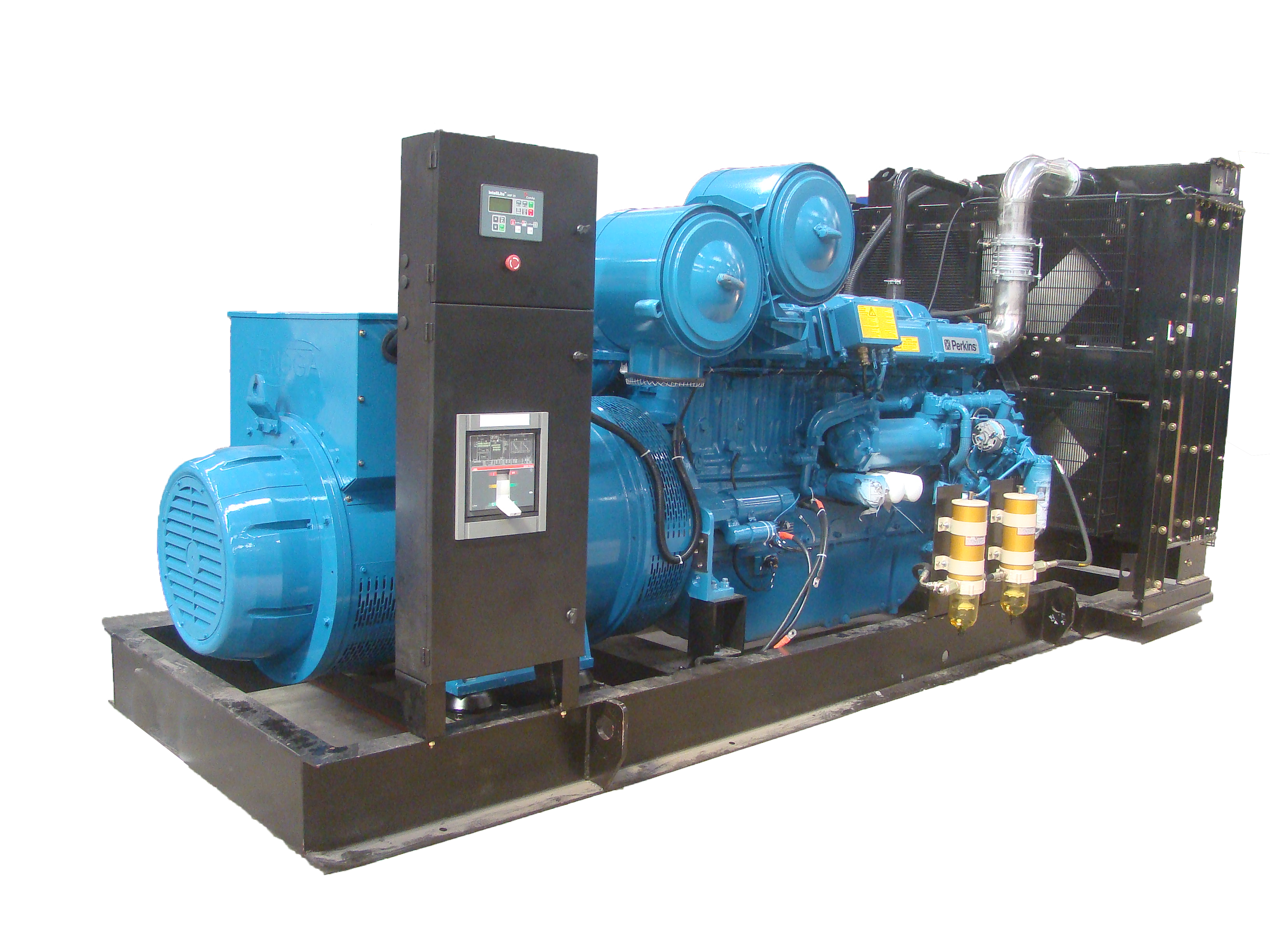
The Mitsubishi Generator Series (MGS) utilizes advanced engineering for diverse applications. The MGS-R models provide versatile power for general industrial use. They feature robust engine blocks designed specifically for longevity in demanding environments. The MGS3100R targets heavy standby applications exclusively. It delivers massive power output for critical infrastructure hubs, utilizing V12 and V16 cylinder configurations. Engineers optimized this model for rapid startup and high load acceptance. Conversely, the MGS2000B excels in continuous and prime power scenarios. Its architecture supports prolonged operation without mechanical degradation. Heavy-duty cooling circuits prevent overheating during extended operational runs. Each model utilizes specific turbocharger configurations to maximize mechanical efficiency. The integration of high-capacity oil coolers ensures optimal lubrication under continuous heavy loads.
Mitsubishi offers a wide spectrum of power capacities. Ratings typically range from 385kVA to over 3000kVA. This translates to roughly 800 kW to 2000+ kW. Facility managers must match these ratings to their specific load profiles. A mid-sized commercial building might require an 800 kW unit. A large manufacturing plant often needs multiple 2000 kW units operating in parallel. You must differentiate between Standby, Prime, and Continuous ratings carefully. Standby ratings apply to emergency backup during grid failures. Prime ratings allow for variable loads over unlimited hours. Continuous ratings support constant loads for unlimited hours. Selecting the correct rating prevents premature engine wear and ensures the alternator does not overheat during operation.
Generator Power Rating Classifications
Rating Type | Application Scenario | Load Variability | Annual Operating Hours |
|---|---|---|---|
Standby | Emergency backup during grid failure | Variable loads | Limited (typically under 200 hours) |
Prime | Primary power source away from grid | Variable loads | Unlimited hours |
Continuous | Base load power generation | Constant, non-varying load | Unlimited hours |
Power systems must align perfectly with regional electrical standards. Mitsubishi configures generators for specific voltage and frequency outputs. International markets often require 380V at 50Hz. North American facilities typically operate on 480V or 600V at 60Hz. Selecting the correct configuration ensures seamless integration with existing switchgear. It prevents voltage mismatch that damages critical facility equipment. Custom alternators accommodate unique harmonic requirements in specialized facilities. Engineers specify 2/3 pitch stators to reduce harmonic distortion caused by non-linear loads like UPS systems. Automatic Voltage Regulator (AVR) tuning ensures stable power delivery under fluctuating demand. This global compatibility makes the MGS series highly adaptable. It simplifies procurement for multinational facility operators significantly.
Mitsubishi diesel engines utilize high-strength metallurgy throughout their construction. Nodular cast iron engine blocks withstand extreme internal combustion pressures. Forged steel crankshafts handle massive rotational forces without flexing. This robust construction places them among top-tier global engine manufacturers. Piston cooling nozzles spray oil directly onto the underside of the pistons, reducing thermal stress. The compact structural design maximizes power density effectively. Facility mechanical rooms often have limited square footage available. A compact footprint allows for easier installation in tight spaces. It provides better access for routine maintenance tasks. Engineers optimize the layout of auxiliary components meticulously. This reduces the overall physical dimensions of the generator set. High power density means more capacity per square foot.
Life-safety codes demand rapid power restoration during emergencies. Hospitals and data centers cannot tolerate extended facility blackouts. Mitsubishi units achieve a strict 10-second startup-to-load-acceptance metric, complying with NFPA 110 Type 10 requirements. Advanced starting mechanisms crank the heavy engine rapidly. Redundant starter motors and high Cold Cranking Amp (CCA) battery banks ensure reliable ignition. High-pressure fuel injection technologies deliver precise fuel volumes instantly. This ensures the engine reaches synchronous speed without delay. Jacket water heaters maintain the engine block at optimal temperatures, eliminating cold-start lag. The alternator builds voltage rapidly to accept the facility load. This 10-second timeframe prevents catastrophic data loss in server farms. It keeps life-support systems operational in healthcare facilities.
Specific fuel consumption (SFC) curves reveal true engine efficiency. Mitsubishi engines demonstrate excellent SFC at 50%, 75%, and 100% loads. Advanced combustion chamber designs maximize fuel atomization. Common rail fuel injection systems deliver fuel at extreme pressures. This results in complete combustion and higher thermal efficiency. Comparing these metrics against industry baselines validates their performance. High thermal efficiency means more mechanical power per gallon of fuel. Efficient engines produce significantly less waste heat. This reduces the thermal load on the generator's cooling system. Optimized fuel consumption extends the runtime of on-site fuel storage. Fuel polishing systems maintain diesel quality, ensuring the engine achieves its rated efficiency during extended grid outages.
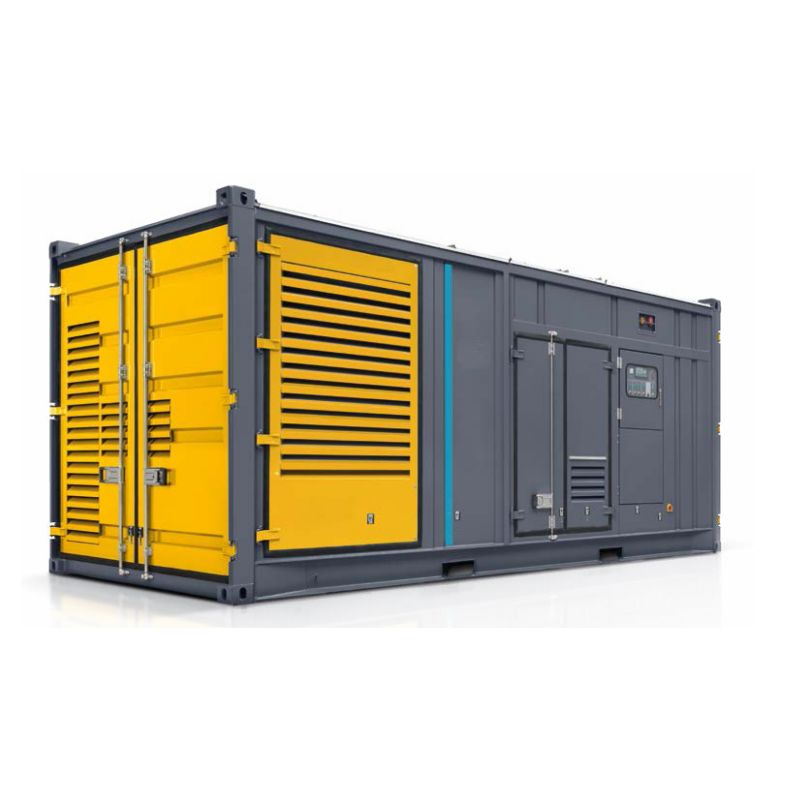
Turnkey packages streamline the complex installation process. Mitsubishi offers factory-integrated acoustic and weatherproof enclosures. These all-in-one designs protect the equipment in harsh outdoor environments. Heavy-gauge steel construction resists corrosion and physical damage. Acoustic enclosures mitigate noise pollution in commercial and municipal zones, often achieving strict dB(A) ratings at 7 meters. They utilize specialized sound-attenuating materials and baffled air intakes. Factory integration ensures all components work together seamlessly. Sub-base fuel tanks provide integrated fuel storage without requiring separate piping. Seismic isolators protect the unit during earthquakes. Facility managers can deploy these packaged systems rapidly. Immediate operational readiness is a significant advantage for fast-track construction projects.
Hospitals operate under strict regulatory compliance frameworks. Standards like NFPA 99 and NFPA 110 dictate backup power performance strictly. Emergency power supply systems must assume the load within 10 seconds. Mitsubishi systems meet these stringent codes consistently. They provide reliable power for operating rooms and intensive care units. Transfer switch coordination ensures the life safety branch receives power before the equipment branch. Regular load bank testing ensures the system remains compliant. The robust engine architecture handles the complex electrical loads of medical imaging equipment. Facility engineers trust these systems to protect patient lives during outages.
Active job sites present harsh operating environments constantly. Generators face extreme temperatures, moisture, and heavy particulate ingress. Mitsubishi units feature rugged construction for continuous operation. Heavy-duty air filtration systems protect the engine internals from dust. Specialized cooling systems prevent overheating in high ambient temperatures. IP23 or IP44 rated alternators prevent moisture and debris from damaging the windings. Heavy manufacturing plants require massive power for motor starting. The high motor starting kVA (skVA) capability of these generators handles industrial machinery easily. They provide prime power where grid access is completely unavailable. Their durability minimizes downtime on critical construction schedules.
Large-scale facilities often require more power than a single unit provides. Paralleling multiple Mitsubishi units offers excellent scalability. Municipal water treatment plants utilize paralleled systems for massive pumping loads. Commercial high-rises use them to maintain elevators and emergency lighting. Paralleling switchgear synchronizes the generators seamlessly. Isochronous load sharing ensures each generator carries an equal percentage of the facility load. Droop control provides a backup method for load sharing if communication lines fail. This configuration provides built-in mechanical redundancy. If one unit requires maintenance, the others carry the critical load. Programmable Logic Controllers (PLCs) automate the sequencing of the generators based on real-time demand.
Improper generator sizing introduces significant operational risks. Under-loading a diesel engine causes a condition called wet stacking. Unburned fuel accumulates in the exhaust system, reducing efficiency and creating fire hazards. Over-loading causes the engine to stall during critical moments. You must conduct comprehensive load studies before procurement. Analyze peak demand, motor starting currents, and future expansion plans. A properly sized Diesel Generator prevents wet stacking and ensures reliable operation. Utilize 3D spatial planning for mechanical room installations. Ensure adequate clearance for airflow and maintenance access. Calculate the required Cubic Feet per Minute (CFM) for combustion and cooling air. Proper sizing guarantees the engine operates within its optimal load range.
Diesel engines produce particulate matter and nitrogen oxides (NOx). Local environmental regulations strictly govern these specific emissions. Facility managers must navigate EPA Tier ratings or equivalent local standards. Non-compliance results in severe penalties and operational shutdowns. Modern Mitsubishi engines utilize advanced combustion techniques to lower raw emissions. Many jurisdictions require aftermarket exhaust after-treatment systems. Selective Catalytic Reduction (SCR) systems inject Diesel Exhaust Fluid (DEF) to reduce NOx emissions significantly. Diesel Particulate Filters (DPF) capture harmful soot and ash. Active regeneration cycles burn off accumulated soot in the DPF. Integrating these systems ensures full regulatory compliance for permanent installations.
Integrating a new Diesel Generator with legacy systems presents technical challenges. Older Automatic Transfer Switches (ATS) may lack modern communication protocols. You must verify compatibility between the generator controller and the ATS. Determine if the facility requires open, closed, or delayed transition switching. Modern facilities often utilize hybrid microgrid controllers. These controllers manage power from solar arrays, battery storage, and generators. The generator must respond instantly to commands from the microgrid master controller via Modbus TCP/IP. Seamless integration requires precise programming of voltage and frequency parameters. Consult with power systems engineers to design a robust integration strategy.
Verify communication protocols between the generator and legacy ATS.
Map out the voltage and frequency parameters for the microgrid controller.
Conduct closed-transition testing to ensure seamless load transfers.
Update firmware on all paralleling switchgear components.
Calibrate the master controller for optimal load shedding sequences.
Test the Modbus TCP/IP connection for real-time telemetry monitoring.
Initiate a formal load profile analysis to determine exact capacity requirements for your facility.
Consult with a certified power systems engineer to evaluate site-specific integration challenges and switchgear compatibility.
Request a detailed technical specification sheet for the MGS series to verify alternator pitch and motor starting capabilities.
Conduct a spatial assessment of your mechanical room or outdoor installation pad to ensure adequate airflow and maintenance clearance.
Reliable Power Solutions for Demanding Industrial Applications
For projects requiring more than a standalone generator set, DIYPOWER provides customized diesel generator equipment and broader power solutions backed by more than a decade of experience in engine-driven energy systems. Its portfolio extends across generator sets, power stations, smart and new power systems, high-voltage equipment, and supporting parts, helping customers match power equipment to different industrial and mission-critical applications.
A: Mitsubishi diesel generators are engineered for a 10-second fast response capability. They can start, reach synchronous speed, and assume the critical facility load within 10 seconds. This rapid response complies with NFPA 110 Type 10 requirements, which is vital for life-safety compliance in hospitals and preventing data loss in data centers.
A: Standby ratings are strictly for emergency use during grid outages, handling variable loads for limited hours. Continuous ratings are designed for primary power generation, operating at a constant, non-varying load for an unlimited number of hours. Choose based on whether you need emergency backup or primary base load power.
A: With proper maintenance, a Mitsubishi MGS series generator offers a highly realistic lifecycle of 20 to 30 years. In terms of operational hours, these heavy-duty engines frequently exceed 10,000 to 30,000 operating hours before requiring a major mechanical overhaul.
A: Yes. They can be equipped with factory-integrated weatherproof enclosures. These heavy-gauge steel enclosures protect the engine and alternator from extreme temperatures, moisture, and heavy particulate ingress. This makes them ideal for construction sites and outdoor municipal installations.
A: Yes. Modern Mitsubishi engines utilize advanced combustion designs to minimize raw emissions. For regions with strict environmental regulations, they integrate with aftermarket exhaust after-treatment systems, such as Selective Catalytic Reduction (SCR) and Diesel Particulate Filters (DPF), to achieve full EPA compliance.
A: Preventing wet stacking requires operating the generator at a minimum of 30% to 50% of its rated capacity. If the facility load is too low, routine load bank testing must be performed. This forces the engine to reach optimal exhaust gas temperatures, burning off unburned fuel and carbon deposits.


 Energy Storage System