Views: 314 Author: Site Editor Publish Time: 2025-12-18 Origin: Site
2.Understanding the Basics of a Generator
4.Key Differences Between a Generator and a Generator Set
5.When to Choose a Generator vs a Generator Set
6.Common Uses for Generators and Generator Sets
7.Advantages of Using a Generator Set
9.FAQs
When it comes to providing power in situations where the grid is unavailable, there are several options to consider. Two of the most commonly discussed solutions are generators and generator sets. While both can serve the purpose of producing electricity, their differences go beyond just their names. A generator is an individual piece of equipment designed to produce power, while a generator set (often referred to as a genset) is a more comprehensive solution that includes additional components designed to enhance performance and usability.
This article aims to clarify the key distinctions between these two power solutions, focusing on their components, applications, and when one might be more suitable than the other.
A Industrial generator set is a device that converts mechanical energy into electrical energy, typically through the use of an engine. These machines are essential in applications where there is a need for portable power, such as outdoor events, construction sites, or in emergencies when the main power supply fails.
At its core, a generator consists of an engine, an alternator, a fuel tank, and a control system. The engine runs on a fuel source (e.g., gasoline, diesel, or natural gas) to turn the alternator, which then generates electrical power.
Common Types of Generators:
Portable Generators: Small, mobile units often used for temporary or emergency use.
Standby Generators: Permanently installed units that automatically kick in when there’s a power failure.
Inverter Generators: Known for their efficiency and quieter operation, suitable for sensitive electronics.
While a generator’s function is straightforward, it often lacks some features that make it ideal for more demanding, large-scale, or commercial applications.
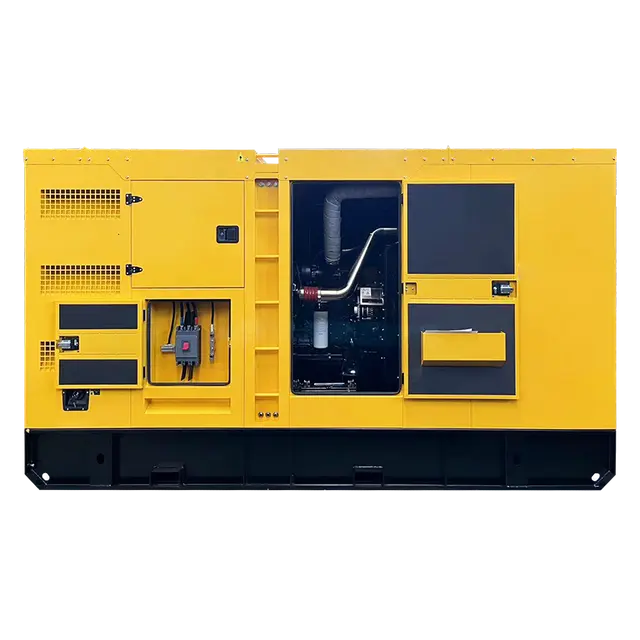
A generator set, or genset, is a complete system designed to provide backup or off-grid power. While it includes the generator as its core component, it goes a step further by incorporating additional elements such as the engine, alternator, fuel system, control panels, and enclosures, among others. These added components make generator sets suitable for more complex and demanding power needs.
A typical generator set might include:
Engine: Provides the mechanical energy required to power the alternator.
Alternator: Converts mechanical energy into electrical energy.
Control Panel: A user interface that allows for easy operation and monitoring.
Fuel Tank: Stores fuel for extended use.
Enclosure/Frame: Provides protection from environmental factors and noise reduction.
Cooling System: Ensures the generator set operates at an optimal temperature.
By combining these components, a heavy-duty generator set offers a much higher degree of reliability, performance, and convenience than a basic generator. It's a complete, integrated solution that’s ready to provide power as soon as it's installed.
The primary difference between a generator and a generator set lies in their assembly and components.
Generator: A standalone unit that contains only the essentials — the engine and the alternator. While some generators may include a built-in fuel tank, many others require external fuel sources, and control panels may not be integrated into the design.
Generator Set: A fully integrated system that includes not only the engine and alternator but also the necessary accessories for operation, such as the control system, fuel tank, cooling system, and protective enclosure.
The inclusion of these extra components in a generator set ensures better performance, longer operational periods, and greater protection for the machinery.
While both generators and generator sets are used to supply power, a generator set typically has the capacity to provide a larger, more stable power output.
Generators are suitable for lower power needs. They are ideal for home use, outdoor events, and temporary needs where portability is essential.
Generator Sets, on the other hand, are designed for industrial, commercial, or large-scale operations where continuous power is critical. They can generate higher power capacities and are designed to run for extended periods without failure.
Because of their more robust construction, generator sets are often used in hospitals, factories, large office buildings, and other facilities that rely on continuous, uninterrupted power.
A generator is often built with portability in mind. Smaller models can be moved with ease, making them suitable for activities like camping, construction work, or small residential backup.
Portability of Generators: Portable units are lightweight and compact, making them ideal for applications where power is required temporarily and in various locations.
Portability of Generator Sets: Generator sets, while often transportable, are typically much heavier and bulkier due to their larger capacity and additional components. They are generally designed for more permanent installations or specific large-scale projects.
Generator sets offer less flexibility in terms of portability but provide much more stable and reliable power for high-demand environments.
Choosing between a generator and a high-efficiency generator set depends on your specific needs. Here are some guidelines to help you decide:
Choose a Generator if:
You need a portable power source for small tasks or emergencies.
You have a limited budget and don't require high power output.
You’re looking for a temporary power solution, such as for camping, tailgating, or outdoor events.
Choose a Generator Set if:
You need a long-term or permanent power solution with high reliability and performance.
Your application requires a stable, continuous power supply for critical operations, such as in healthcare facilities or factories.
You require a generator system that’s ready for industrial use, with integrated components like cooling systems, fuel tanks, and control panels.
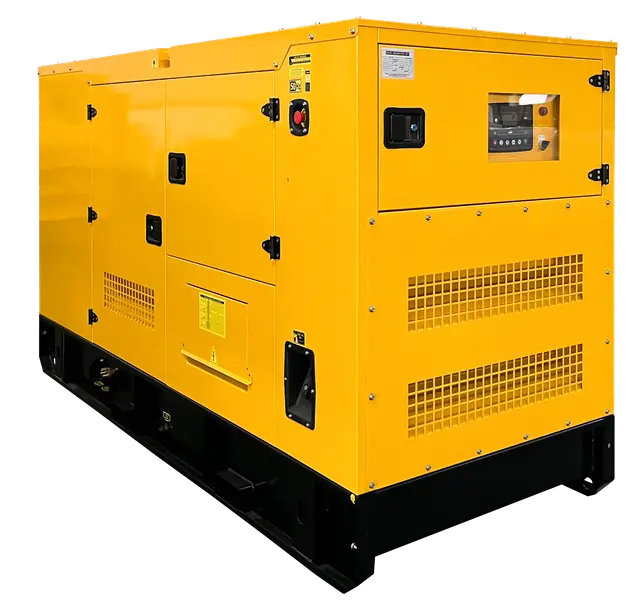
Generators and generator sets each have their ideal use cases:
Generators: Typically used in residential settings, for events, and temporary power needs like lighting, charging small devices, or running appliances during power outages.
Generator Sets: Common in large-scale applications such as data centers, hospitals, construction sites, factories, and commercial buildings, where a steady and reliable power supply is essential.
| Use Case | Generator Type | Example |
|---|---|---|
| Residential Backup | Standby Generator | Home power during blackouts |
| Construction | Portable Generator | Power tools on-site |
| Outdoor Events | Inverter Generator | Temporary power for booths or lighting |
| Use Case | Generator Set Type | Example |
|---|---|---|
| Hospitals | Industrial Generator Set | Emergency power backup |
| Large Factories | Diesel Generator Set | Continuous operation |
| Data Centers | Generator Set with ATS | Backup power systems |
The additional components in a silent generator set provide several key advantages over basic generators:
Enhanced Durability: Generator sets are designed for long-term use, with robust components that can withstand harsher environments and extended operation times.
Integrated Systems: With fuel tanks, cooling systems, and control panels built in, generator sets are more efficient and easier to operate.
Higher Power Output: Generator sets can provide large amounts of power consistently, making them ideal for commercial, industrial, and critical applications.
While they come with a higher upfront cost, the long-term benefits of generator sets make them a solid investment for businesses or individuals requiring reliable, uninterrupted power.
The difference between a generator and a generator set lies in their complexity and intended use. A generator is a simpler, portable solution for smaller-scale needs, while a generator set is a complete, integrated system designed to handle larger power demands for commercial or industrial applications.
Understanding these differences will help you make an informed decision based on your power needs. Whether you need a small backup power solution or a robust, high-capacity system, there's an option that suits every requirement.
1. What is the main difference between a generator and a generator set?
The main difference is that a generator is just the engine and alternator for generating electricity, while a generator set includes additional components such as a control panel, fuel tank, and cooling system to make it a complete, self-contained power solution.
2. Can I use a generator set for home use?
While it’s possible, generator sets are typically used in larger applications like businesses or factories due to their size and power capacity. For home use, a portable generator or standby generator may be a better option.
3. Are generator sets more expensive than generators?
Yes, generator sets are generally more expensive due to the additional components and higher power output they provide. However, they offer greater reliability and are designed for long-term, industrial use.
4. How long can a generator set run continuously?
Generator sets are built to run for extended periods, with many models capable of providing power for hundreds of hours at a time, depending on their size and fuel source. Always consult the manufacturer’s specifications for exact runtime details.


 Energy Storage System