Views: 328 Author: Site Editor Publish Time: 2025-12-18 Origin: Site
2.Understanding the 20/20/20 Rule for Generators
3.The Importance of Proper Generator Maintenance
4.Implementing the 20/20/20 Rule in Generator Set Operation
5.Key Benefits of Adhering to the 20/20/20 Rule
6.Common Mistakes to Avoid with the 20/20/20 Rule
7.Troubleshooting Generator Sets Under the 20/20/20 Rule
9.FAQ
The 20/20/20 rule is an important principle when it comes to maintaining and operating reliable generator set. Generator sets are essential to power backup systems and ensure operations run smoothly during power outages. However, like all mechanical systems, they require regular care to operate efficiently and last longer. The 20/20/20 rule provides clear guidelines for operators to ensure that their generator sets are both safe and efficient. By following this rule, operators can minimize costly repairs and maximize the longevity of their equipment.
The 20/20/20 rule is a maintenance strategy specifically designed for the operation of generator sets. It suggests that the generator should be run for at least 20 minutes, every 20 days, at 20% of its rated load. This simple, yet effective rule ensures that a generator set is regularly exercised, preventing the issues that can arise from disuse and ensuring the system remains in optimal working condition.
By adhering to this rule, operators can keep the generator in a state of readiness, ensuring that it functions correctly in the event of an emergency or power outage.
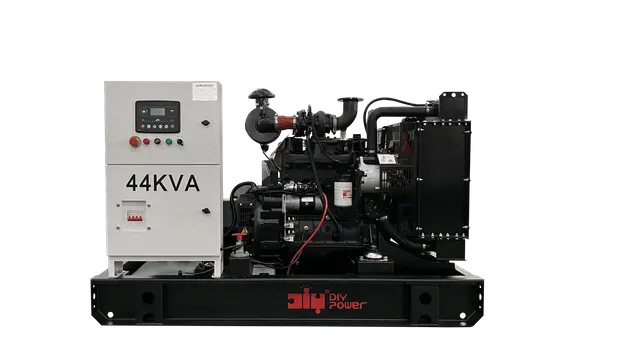
For portable generator sets, the 20/20/20 rule serves multiple purposes:
Lubrication: Regular operation helps to circulate lubricants and coolants throughout the generator, preventing internal components from seizing.
Combustion: Running the generator at low load levels helps burn off any accumulated carbon deposits, which can otherwise cause engine blockages.
Battery Health: Regular operation ensures that the generator’s battery remains charged and functional.
This rule is particularly important for backup generators, which often sit unused for long periods. Without proper exercise, these generators are more prone to failure when called into service. By following the 20/20/20 rule, operators prevent deterioration from inactivity and ensure that their generator sets are always ready to perform when needed.
A high-efficiency generator set that is left idle for extended periods can experience a variety of problems, from fuel degradation to internal rust and corrosion. The 20/20/20 rule helps combat these issues by ensuring the generator remains in working order and is periodically checked for any potential mechanical problems. When a generator is run under the rule, operators can listen for unusual noises, check for leaks, and monitor the condition of the engine and other components.
Just like any other mechanical equipment, a generator set requires regular maintenance to ensure long-term performance. Running a generator for at least 20 minutes every 20 days, even if it is not needed for a full load, allows the engine components to remain lubricated and ensures that the battery remains charged. Following this rule helps extend the overall life of the silent generator set and reduces the frequency of major repairs or replacements.
To effectively implement the 20/20/20 rule, follow these steps:
Schedule Regular Operation: Mark your calendar to run the generator every 20 days. Even if you don't need it for power, setting a reminder ensures that you don't forget.
Run the Generator at 20% Load: While the generator doesn’t need to run under full load, it should be operated at a minimum of 20% of its rated load to simulate real-world conditions.
Inspect the Generator After Each Run: Use this time to inspect the generator for any signs of wear, leaks, or damage. Pay attention to the exhaust and cooling systems, and check the battery charge.
Use a Load Bank: A load bank can simulate an actual power demand and prevent the generator from running without a proper load, which is vital for maintaining the generator’s efficiency.
Check Fuel Levels: Ensure that fuel levels are topped up to prevent air from entering the fuel system.
Monitor Oil and Coolant Levels: Running the generator for 20 minutes ensures that the oil and coolant levels remain steady. Make sure to top up or change fluids as needed.
Regular running of the generator at 20% load helps ensure that all the engine components work smoothly. It reduces the likelihood of engine blockages, poor combustion, and degraded battery performance. This results in improved performance and faster recovery times when a generator is called into service.
By following the 20/20/20 rule, operators are less likely to face catastrophic failures during an emergency. It prevents the generator set from deteriorating due to inactivity and keeps it primed for reliable power output when needed.
Overlooking Routine Maintenance: One of the biggest mistakes generator operators make is neglecting other essential maintenance tasks. While the 20/20/20 rule is a great start, it should not replace the full maintenance schedule for the generator. Regular oil changes, air filter replacements, and system diagnostics are essential for long-term generator health.
Misinterpreting the Rule: A common misconception is that the 20/20/20 rule means the generator only needs to run for 20 minutes without any load. This is incorrect—running a generator with no load at all can result in unburned fuel and carbon build-up. Always ensure the generator is operating at least at 20% load.
When following the 20/20/20 rule, you should regularly check for common warning signs of potential problems, including:
Unusual Noises: Clicking or grinding noises may indicate loose parts or internal damage.
Excessive Smoke: White or black smoke from the exhaust can suggest engine issues, such as improper combustion or fuel problems.
Overheating: If the generator is running hotter than normal, it may indicate a cooling system malfunction.
Battery Failure: If the generator battery isn’t charging properly, ensure the charging circuit is functioning. Replacing the battery may be necessary if it’s over five years old.
Fuel System Blockages: If the fuel is old or contaminated, replace it with fresh fuel and clean the fuel lines.
The 20/20/20 rule for Heavy-duty generator set is an essential strategy for ensuring long-term reliability and performance. By running the generator for 20 minutes every 20 days at 20% load, operators can prevent many of the common issues that arise from inactivity and ensure their generator sets are ready when needed most. Regular maintenance, combined with the 20/20/20 rule, will help operators maximize their generator's lifespan and performance, minimizing costly repairs and downtime.
1.What is the 20/20/20 rule for generators?
Run a generator for at least 20 minutes every 20 days at approximately 20% of its rated load.
2. How often should I perform maintenance on my generator set?
In addition to following the 20/20/20 rule, routine maintenance tasks such as oil changes, air filter replacement, and fuel checks should be performed according to the manufacturer's recommendations, usually every 100-200 hours of operation.
3. Can the 20/20/20 rule prevent all generator problems?
While the 20/20/20 rule is essential for keeping a generator set in optimal condition, it doesn't replace full maintenance. Regular servicing is still necessary to address more complex issues.
4. Is it necessary to run my generator if I don’t need it?
Yes, running your generator regularly—even without an immediate need for power—prevents internal components from seizing and helps identify issues before they become serious problems.
5. What should I do if my generator starts overheating during operation?
If your generator is overheating, check the coolant levels, ensure the cooling system is not clogged, and inspect the radiator. If the problem persists, professional servicing may be required.


 Energy Storage System