Views: 225 Author: Site Editor Publish Time: 2025-12-18 Origin: Site
2.Factors That Influence the Lifespan of a Generator Set
3.Average Lifespan of a Generator Set
4.How to Maximize the Lifespan of Your Generator Set
5.Common Problems that Reduce the Lifespan of Generator Sets
6.When to Replace Your Generator Set
7.The Cost of Maintaining vs. Replacing a Generator Set
9.FAQs
A generator set (or genset) is a crucial investment for homes, businesses, and industries that rely on uninterrupted power. But how long can you expect your generator set to last before it needs repairs or replacement? The lifespan of a high-efficiency generator set varies significantly depending on a range of factors, including the type of generator, its usage patterns, maintenance practices, and the environmental conditions it operates in. Understanding these factors will help you maximize the lifespan of your generator set, reduce costs, and make informed decisions about maintenance and replacement. In this article, we will dive deep into the factors affecting the longevity of a generator set and explore practical tips for extending its service life.
One of the most critical factors that determine how long a generator set will last is its operating hours. Typically, generator sets are rated for a certain number of hours of operation before major parts may need attention. Diesel-powered generators, for example, are commonly rated for around 15,000 to 30,000 hours of operation. The more hours you accumulate, the more wear and tear your generator will experience.
It is also important to note that continuous operation at full load will typically wear out the generator faster than intermittent use at lower loads.
Proper maintenance is perhaps the most important factor in extending the life of a generator set. Regular maintenance involves both routine inspections and the replacement of critical components such as oil filters, air filters, and fuel filters. An effective maintenance schedule can prevent minor issues from becoming major problems and can ensure that the generator is running at optimal performance levels.
For example, oil changes should be done regularly to ensure the engine operates smoothly and to prevent the build-up of contaminants that can cause damage over time. Ignoring regular maintenance could result in increased engine wear, higher fuel consumption, and a much shorter lifespan for your generator set.
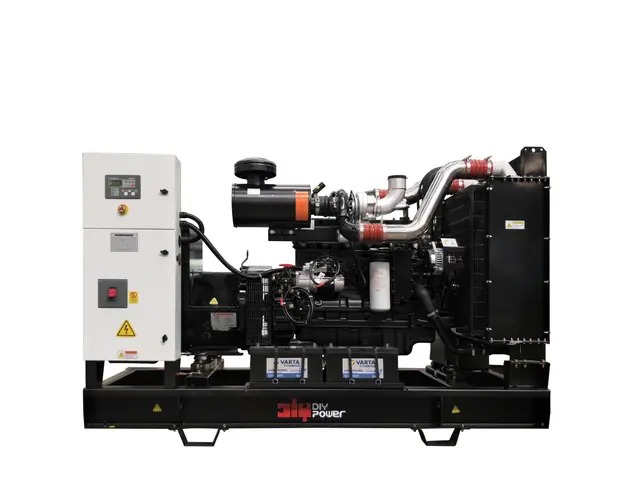
The environment in which a generator set operates plays a significant role in its longevity. Harsh conditions, such as extreme temperatures, high humidity, dust, or corrosive environments, can accelerate wear and tear on a generator. For instance, dust can clog air filters and cause the engine to overheat, while excessive moisture can lead to rust and corrosion.
Generators that are exposed to dirt and moisture may need more frequent maintenance and inspections to prevent environmental damage. If the generator is used in a particularly harsh environment, consider investing in protective housing or a maintenance plan that addresses these challenges.
The quality of the fuel you use is directly related to the performance and lifespan of your reliable generator set. Low-quality fuel, or fuel that is contaminated with water or debris, can cause serious damage to the engine and fuel system. Diesel generators, in particular, are highly sensitive to fuel cleanliness, and poor-quality fuel can lead to clogged fuel injectors, reduced performance, and even engine failure.
It is recommended to use clean, high-quality fuel and to regularly inspect the fuel system to prevent any issues. Additionally, storing fuel properly in clean containers and keeping it away from moisture can help prolong the life of your generator.
Different types of generator sets are designed for different applications, and the design will influence how long the unit lasts. Diesel-powered generator sets, for example, are typically more durable and have a longer lifespan than gas-powered generators. However, gas generators tend to be quieter and are often more affordable upfront. Hybrid generators, which combine both diesel and gas technologies, offer a balance of efficiency and durability.
The size and design of the generator also play a role in how long it will last. Larger, industrial-grade generators are built to withstand heavy usage over long periods, while smaller, residential units may have a shorter lifespan due to lighter construction.
Diesel-powered generator sets are known for their durability and longevity. On average, a well-maintained diesel generator can last between 15,000 to 30,000 hours of operation. In practical terms, this translates to approximately 20 to 30 years of use, assuming regular maintenance and moderate usage.
Diesel engines have a reputation for longevity due to their rugged design and ability to handle heavy loads for extended periods. However, the lifespan can vary based on usage, maintenance, and operating conditions.
Gas-powered generator sets generally have a shorter lifespan than their diesel counterparts. On average, a gas generator set can last between 3,000 to 7,500 hours of operation. This equates to about 10 to 15 years of use under typical operating conditions. Gas generators are generally more affordable upfront but may require more frequent replacement or maintenance.
Hybrid generator sets, which combine both diesel and gas technologies, aim to offer the benefits of both fuel types. These units can have a lifespan similar to diesel generators, averaging around 12,000 to 25,000 hours, or 15 to 25 years. However, the lifespan can vary depending on the specific design and how the hybrid system is used.
The single most effective way to ensure that your generator set lasts as long as possible is through regular maintenance. This includes tasks such as:
Changing oil and filters on time
Cleaning air filters to prevent clogs
Checking fuel levels and ensuring fuel quality
Inspecting the cooling system for leaks or damage
Testing electrical components to ensure they are working properly
Keeping a detailed maintenance log and scheduling regular service intervals can prevent problems before they become costly repairs.
If you need to store your generator set for any period of time, ensure that it is stored in a dry, clean environment. Protect the generator from exposure to extreme temperatures, moisture, and dust. During storage, you should periodically start the generator to ensure it remains operational and to prevent any seals or gaskets from drying out or becoming brittle.
Avoid overloading the generator set beyond its rated capacity. Consistently running the generator at full load or exceeding its power output can strain the engine, leading to faster wear and a shorter lifespan. It is important to match the generator's capacity with the power requirements of the equipment you are running.
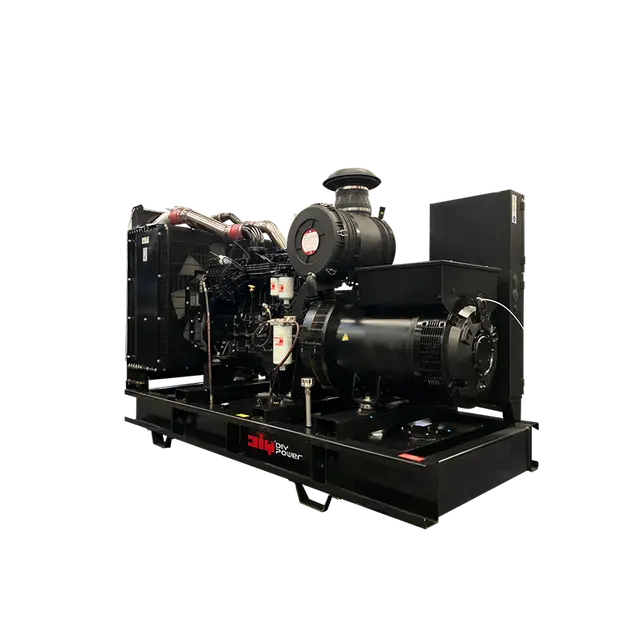
Neglecting routine maintenance is one of the biggest reasons for premature failure in generator sets. Failure to change the oil regularly, clean air filters, or inspect critical components can lead to engine wear, overheating, and ultimately, a significantly reduced lifespan.
Pushing the generator set beyond its rated capacity can cause excessive stress on its components, leading to overheating and damage. Always ensure that the generator is used within its specified limits to avoid unnecessary wear.
Contaminated or low-quality fuel can clog fuel filters, injectors, and other components, leading to decreased efficiency and potential engine failure. Always use high-quality fuel and store it properly.
Extreme weather conditions, dust, moisture, and humidity can all contribute to the accelerated deterioration of a generator set. Be sure to protect the generator from the elements and take extra precautions in harsh environments.
While regular maintenance can extend the life of your generator, there will come a time when replacement is necessary. Some signs that your generator set may need replacing include:
Excessive wear or damage to critical components
Difficulty in finding replacement parts
A noticeable decrease in performance or efficiency
Unreliable operation or frequent breakdowns
At this point, it may be more cost-effective to replace the unit rather than continue repairing it.
The cost of maintaining a generator set varies depending on the model, type of fuel, and usage. Regular maintenance is generally more cost-effective than replacing a generator too early. However, when the cost of repairs and parts becomes too high, replacement may be the better option.
Here is a general breakdown of maintenance costs over time:
| Maintenance Type | Diesel Generator | Gas Generator | Hybrid Generator |
|---|---|---|---|
| Oil and Filter Changes | $100 - $300/year | $75 - $250/year | $150 - $350/year |
| Fuel System Inspection | $150 - $500/year | $100 - $300/year | $200 - $400/year |
| Major Component Repair | $500 - $2,000 | $300 - $1,000 | $500 - $2,000 |
These figures are approximations and can vary depending on the make and model of the generator.
The lifespan of a generator set depends on a variety of factors, including maintenance practices, operating hours, fuel quality, and environmental conditions. On average, a well-maintained diesel generator set can last anywhere from 15,000 to 30,000 hours, while gas generators typically last between 3,000 and 7,500 hours. By adhering to a regular maintenance schedule, using high-quality fuel, and operating within recommended limits, you can maximize the life of your generator set and ensure that it remains reliable for years to come.
1. How long does a diesel generator set last?
A well-maintained diesel generator set can last between 15,000 and 30,000 hours, or approximately 20 to 30 years, depending on usage and maintenance.
2. How often should I service my generator set?
It’s recommended to service your generator set at least once a year or after every 200 to 500 hours of operation, depending on the manufacturer’s guidelines.
3. What are the signs that my generator set is failing?
Signs of failure include frequent breakdowns, difficulty starting, reduced power output, and unusual noises or vibrations. If these occur, it may be time to consult a professional.
4. Can environmental factors affect my generator's lifespan?
Yes, environmental factors such as extreme temperatures, humidity, dust, and corrosion can shorten the lifespan of your generator set. Regular cleaning and protective measures can help mitigate these effects.
5. Is it worth repairing an old generator set?
If the cost of repairs exceeds the cost of a new generator or if the generator is no longer meeting your power needs, it may be time to replace it.


 Energy Storage System